Students from a secondary school in Oxford recently spent an afternoon helping shape the direction of a new study into what matters most to young people at school, through artwork.
The session was funded by a Patient and Public Involvement and Engagement (PPIE) grant from the NIHR Mental Health Translational Research Collaboration (MH-TRC) Mission which was awarded earlier this year to 5 shortlisted applicants.
The MH-TRC Mission’s Children and Young People’s (CYP) Mental Health workstream CYP PPIE Funding Scheme awarded applicants with £400 to create a new PPIE project aiming to help children, young people or their parents/caregivers who have experience of either a mental health condition, a challenging life experience or neurodiversity.
Dr Alexandra Cardoso Pinto, academic resident doctor in the University of Oxford’s Department of Child and Adolescent Psychiatry was one of the recipients of the funding.
Dr Cardoso Pinto’s research uses the OxWell Student Survey to understand how young people, who have lived through any form of maltreatment, experience school life. The Survey is one of the largest surveys of its kind and asks tens of thousands of pupils across England each year about their mental health, wellbeing and experiences of school
Dr Cardoso Pinto used her CYP PPIE funding to deliver a session in partnership with AT The Bus, a Charity founded in Oxford by Dr Juli Beattie that provides school-based art as therapy to children and young people in Oxfordshire and London. Using “The Beattie Method”, a relationship-based group intervention, AT The Bus helps children and young people process feelings and build confidence and self-esteem by transforming everyday objects into artwork.
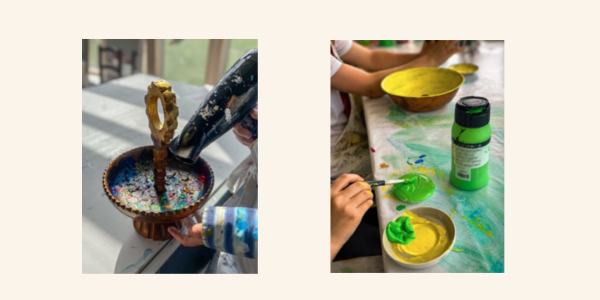
During the session, students took part in a facilitated discussion about what they valued most at school and what they would change, before moving to the art tables to create work inspired by the conversation. The session closed with each student sharing their artwork and reflections with the group.
Fairness and feeling genuinely listened to by teachers emerged as the strongest themes of the discussion, alongside the importance of friendships and the freedom to express identity.
Feedback from the students who took part was overwhelmingly positive: they felt listened to, respected and asked to come back for another session.
The themes and artwork from the session will directly inform which questions Dr Cardoso Pinto explores next in her analysis of the OxWell dataset.
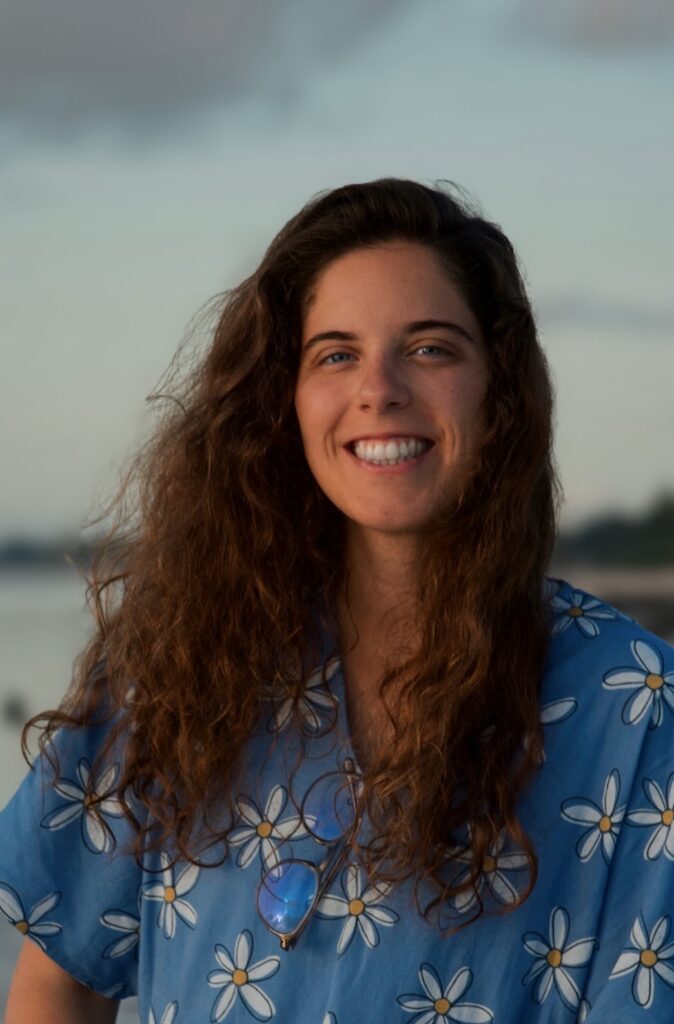
Dr Cardoso Pinto said: “It was brilliant to see how much these students had to say once they had the space, and something to make with their hands. Their honesty about fairness, friendships and feeling heard will directly shape what we look at next.”