• Skip to primary navigation
  • Skip to main content
  • Skip to footer
NIHR Biomedical Research Centre: Oxford Health
Email us
NIHR 20th Anniversary
NIHR website
NIHR Biomedical Research Centre: Oxford Health
  • Home
  • About
    • Introduction
    • Impact
    • Management and core team
    • Our partners
    • Timeline of our key achievements
    • Core facilities
    • Vacancies
    • Glossary
    • Contact us
  • Impact
  • Research
    • Themes
      • Overview of our research themes
      • Better Sleep
      • Brain Technologies
      • Data Science
      • Dementia
      • Depression Therapeutics
      • Flourishing & Wellbeing (previous theme)
      • Mental Health in Development
      • Molecular Targets
      • Pain
      • Preventing Multiple Morbidities
      • Psychological Treatments
    • Clinics
      • Anxiety and Depression in Young People (AnDY) Research Clinic
      • Bipolar Disorder Research Clinic
      • Depression Research Centre
      • Clinical Research Facility (separate website)
      • Oxford Brain Health Clinic
      • Oxford Precision Psychiatry Lab (OxPPL)
      • TUNE-UP Clinic (separate website)
    • COVID-19
      • Overview
      • COVID-19 & clinical management of mental health issues
  • TRC: Mental Health
  • Get involved
    • Patient and Public Involvement, Engagement and Participation (PPIEP)
    • Equality, Diversity and Inclusion
  • Industry
  • Training
  • Events
  • News
    • News listings
    • Newsletters
You are here: Home / COVID-19 research

COVID-19 research

The NIHR Biomedical Research Centre: Oxford Health took a leading role in the national effort to tackle COVID-19.

During the pandemic we rapidly developed projects to better understand the mental health impacts of COVID-19 and to explore public attitudes to lockdown restrictions and vaccination programmes. We created freely available, internationally acclaimed resources to support patients and clinicians managing mental health conditions during periods of lockdown.

Read more about all of our COVID-19 research below.

COVID and mental health evidence-based guidance

covid-19 image

Researchers from the Oxford Precision Psychiatry Lab responded to COVID-19 by creating vital evidence-based guidance for patients and clinicians managing mental health conditions during the pandemic.

View the guidance

COVID-19 research posts

  • New research explores link between COVID-19 hospitalisation and cognitive impairment
  • PHOSP CovidLong-term cognitive and psychiatric effects of COVID-19 revealed in new study
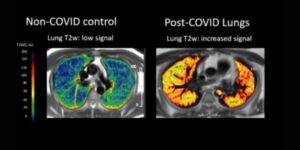
  • The-MRI-scans-revealed-abnormalities-in-the-lungs-of-some-of-the-patients-who-had-been-hospitalised-with-COVID-19Longer-term organ abnormalities confirmed in some post-hospitalised COVID patients
  • brain fogBlood clots during COVID-19 may be a cause of ongoing cognitive problems
See all COVID-19 research posts

Vaccination and vaccine hesitancy

  • Youngest children and young people are least willing to get COVID-19 Jab
  • Treating needle fears may reduce COVID-19 vaccine hesitancy rates by 10%
  • Messaging focusing on personal rather than collective benefits is more effective for COVID vaccination
  • Risk of rare blood clotting higher for COVID-19 than for vaccines
  • Covid-19 vaccination programme: where do people with mental health difficulties lie within the order of priority?
  • Almost a third of UK population are very unsure or strongly hesitant about COVID-19 vaccination
  • Excessive mistrust linked to conspiracy beliefs reduces the following of government coronavirus guidance

COVID-19 and psychiatric diagnosis

  • New research explores link between COVID-19 hospitalisation and cognitive impairment
  • PHOSP CovidLong-term cognitive and psychiatric effects of COVID-19 revealed in new study
  • Effect of the COVID-19 Pandemic on Eating Disorders
  • COVID-19 survivors at risk of neurological and psychiatric disorders
  • 20% of COVID-19 patients receive a psychiatric diagnosis within 90 days

Children, young people and family mental health

  • Children with persistent shorter sleep face twice the risk of ongoing depression in adolescenceChildren with persistent shorter sleep face twice the risk of ongoing depression in adolescence
  • Visitors flock to annual showcase of Oxford’s research
  • It Takes a Village: Trialling a “community approach” to child mental health services
  • Families and researchers unite at Neurofibromatosis type 1 Community Festival 
  • New mental health pathway for primary school children reduces anxiety problems – study shows
  • D-CYPHR: Helping to shape the future of children’s health research 
  • New study explores learning and mood in children with genetic condition
  • Join the WISDOM Schools Research Network this Children’s Mental Health Week

PHOSP-COVID

  • PHOSP CovidLong-term cognitive and psychiatric effects of COVID-19 revealed in new study
  • The-MRI-scans-revealed-abnormalities-in-the-lungs-of-some-of-the-patients-who-had-been-hospitalised-with-COVID-19Longer-term organ abnormalities confirmed in some post-hospitalised COVID patients
  • People with long COVID after hospitalisation face limited recovery after one year
  • Seven in ten patients hospitalised with COVID-19 not fully recovered five months after discharge
  • New national study into the long-term health impacts of COVID-19
NIHR's response to COVID-19

Footer

NIHR 20th logo

Improving brain health: the future in mind

Follow us

  • Bluesky
  • LinkedIn
  • Twitter
  • YouTube
Count Me In logo
The National Institute for Health and Care Research (NIHR) Biomedical Research Centre (BRC) is a partnership between Oxford Health NHS Foundation Trust and the University of Oxford.  We are part of the Oxford Academic Health Partners.
Oxford Academic Health Partners

© 2026 NIHR Biomedical Research Centre: Oxford Health · Log in