The NIHR Mental Health Translational Research Collaboration (MH-TRC) Mission Children and Young People’s Mental Health workstream have recently started recruitment to a study into learning, attention and mood in children with neurofibromatosis type 1 (NF1).
NF1 is a genetic condition where tumours grow on the nerves and skin. Children with this condition are more likely to have difficulty with learning, memory and/or attention compared to their peers.
The MEKI and Learning in NF1 study aims to understand more about how the brain works in NF1 to help develop treatments in the future. The study involves evaluating the impact of drugs which block the brain’s signalling pathways (called of MEK inhibitors, or MEKI) on the neurocognitive functioning in children and young people with the condition.
The study specifically investigates the impact of MEKI on areas including executive function, attention, brain and motor function, along with young peoples’ views on any changes to their condition.
Prior to recruitment, a group of children aged 4-12 were invited to review the study’s recruitment materials, informational resources and study activities, and asked to provide their feedback.
These children created two short videos to support the recruitment process, allowing young people and their parents to help visualise what taking part in the study involves.
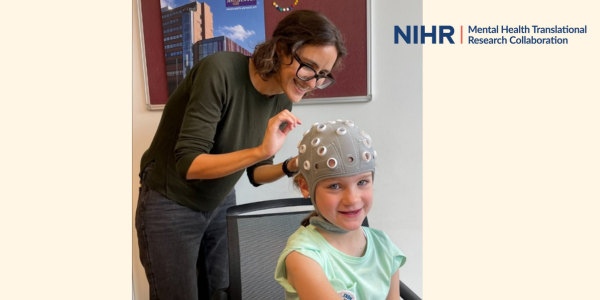
This video below explains what to expect when taking part in the study including an explanation of having an electroencephalogram (EEG), a test that measures electrical activity in the brain, and what tasks and activities are involved.
This second video explains in depth how the EEG works, how to wear the cap and how doing so helps researchers understand brain activity, in a pain-free way.

Becky Pycko, PhD student at the University of Manchester who is leading the research said:
“We couldn’t be more excited to fully launch our new study. Running for the next 2 years, this study uses a novel assessment battery to explore the impact of MEK inhibitors on cognitive functioning in children and young people with NF1.
“The study has been developed with our clinical colleagues at Manchester University Hospitals NHS Foundation Trust and groups of young people and parents to make sure we’re approaching everything in the ‘right way’ – asking the important questions and running the study in a way that really works for the families involved, and for the wider community.
“Thank you to everyone who has been involved so far and thank you in advance to everyone who will be involved in the future.”
Further information about the study can be accessed Studying Plasticity in Neurodevelopment (SPiN) LAB website. .