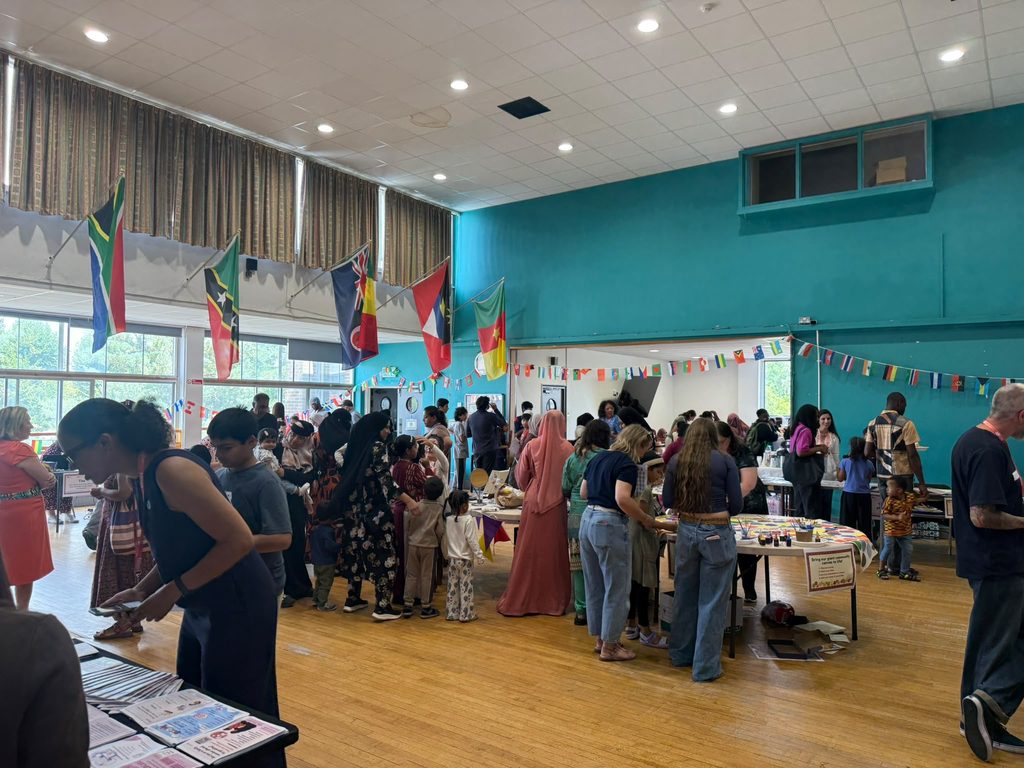
A recent community open day at the African Caribbean Centre in Leicester has been hailed as a joyful and thought-provoking success for bringing mental health research directly to local families in a welcoming, hands-on setting.
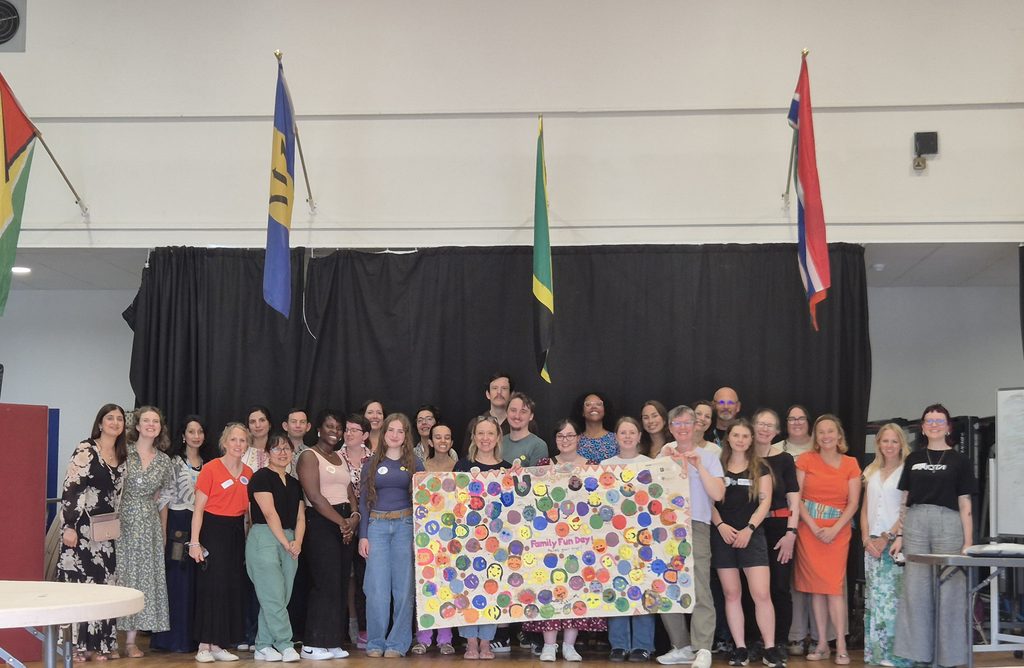
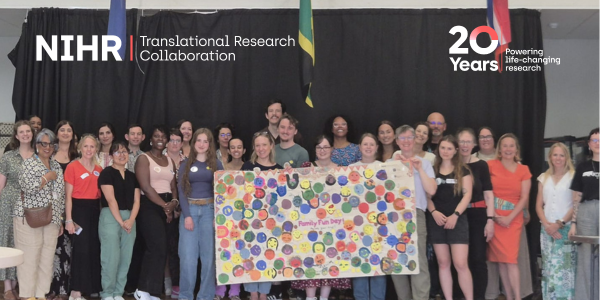
The MindTech in the Community event brought together colleagues from the NIHR Mental Health Translational Research Collaboration (MH-TRC) Mission, NIHR HealthTech Research Centre: Mental Health (MindTech), the Centre for Ethnic Health Research and community partners through the EXPeriences of Accessing services and understanding Neurodevelopmental Disorders for ethnic minorities in England (EXPAND) project.
The event aimed to make research more accessible, inclusive and relevant to the people it is intended to benefit, creating a welcoming space for conversation, curiosity and connection.
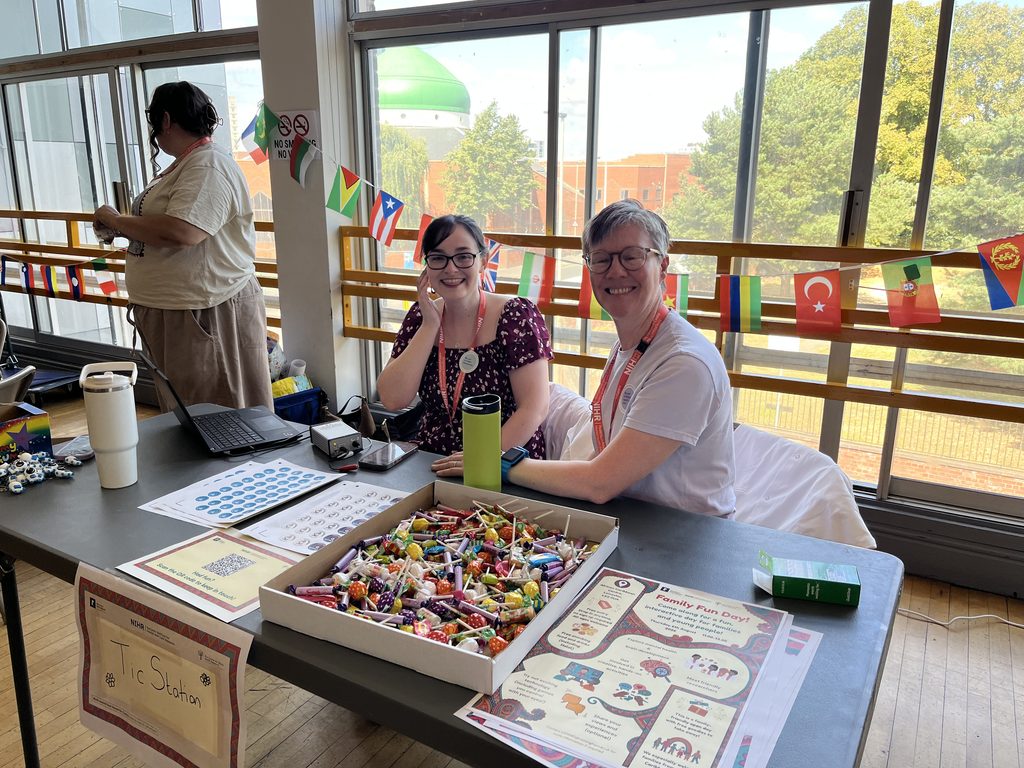
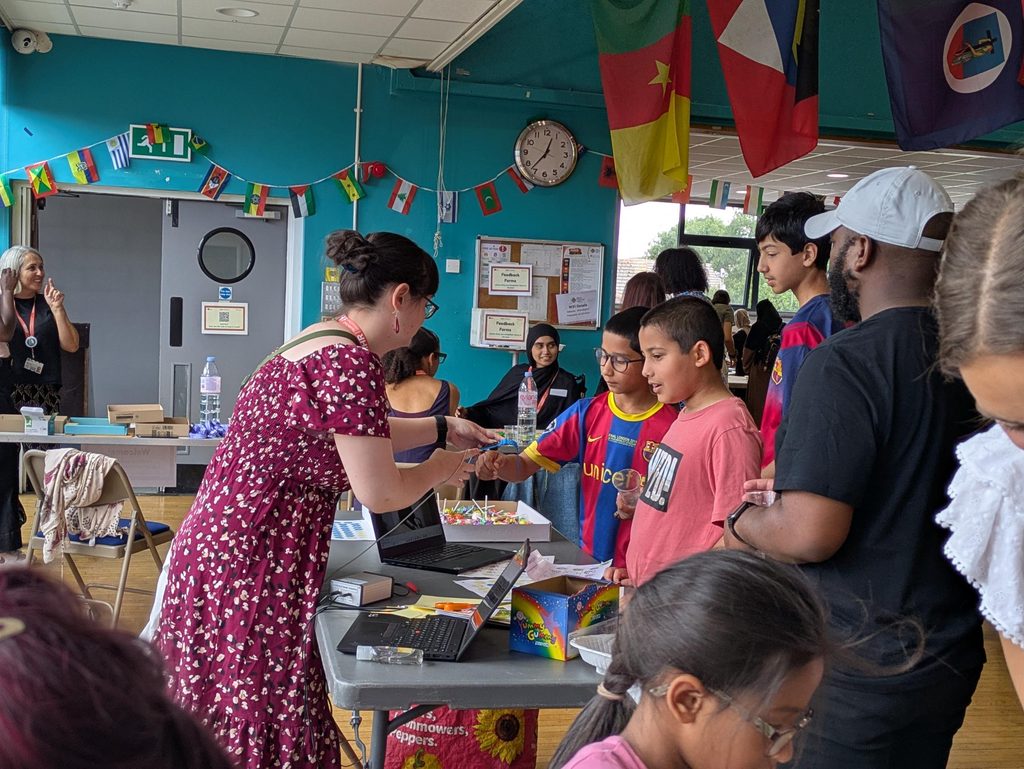
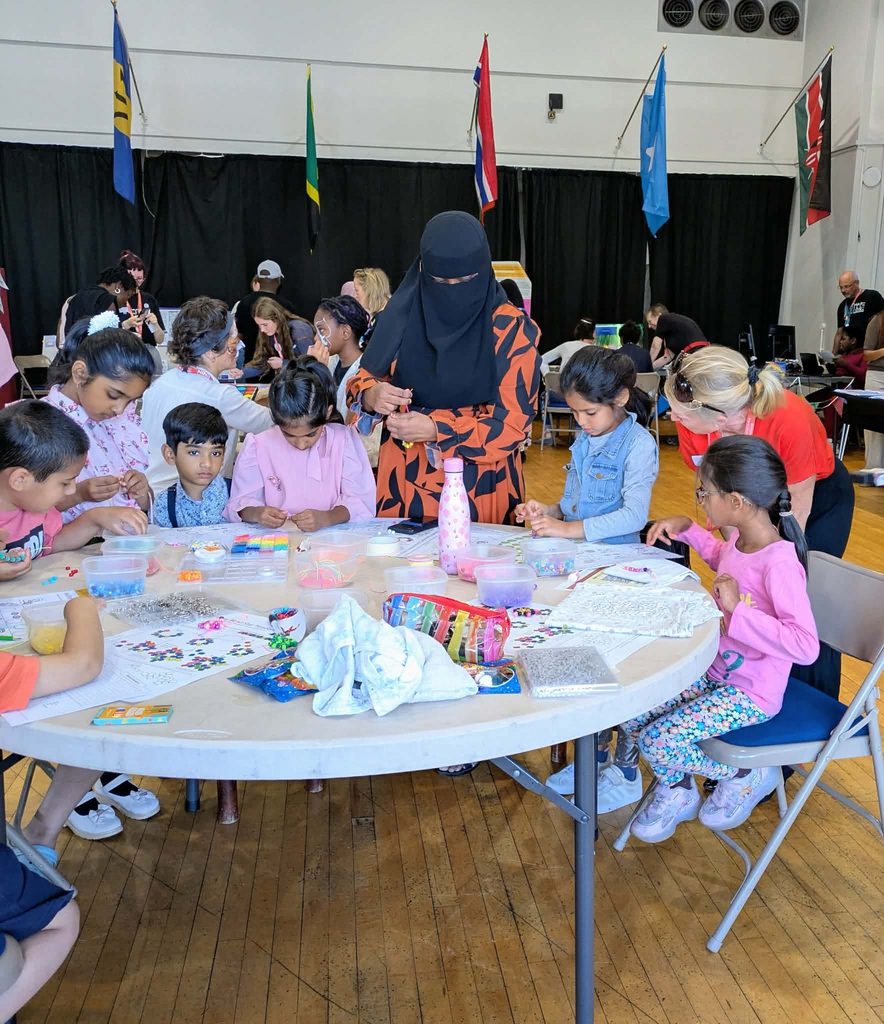
Around 150 people attended the family-friendly day, primarily from ethnic minority communities. Families were invited to explore digital health technologies, meet researchers, share their experiences over food and take part in fun activities including face painting, bracelet making and games.
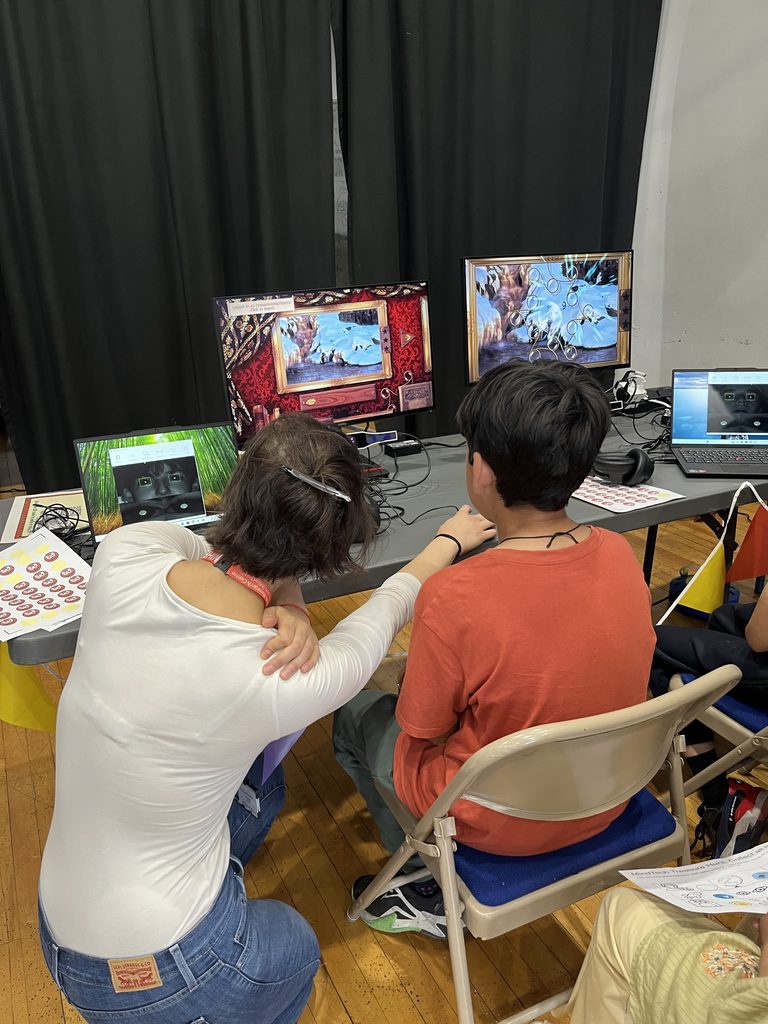
One popular activity was a stand run by MH-TRC Mission-funded PhD student Alexia Jeayes and University of Nottingham Senior Research Fellow Dr Sophie Hall.
Their stand demonstrated a “fake trial” as a playful way to teach children and adults about what it can feel like to take part in a randomised controlled trial. Many young people engaged enthusiastically, with some sharing that they had already taken part in research through school.
Early in the activity, participants used words such as “thoughtful” and “interested” to describe how they felt. As the trial progressed, and some were randomly assigned to a toy they had not chosen, words such as “frustrated” appeared more often, offering a valuable reminder of how research design can affect participants’ experiences.
By the end, however, there was a strong sense of pride and achievement from the attendees. Participants reflected on contributing not only for themselves, but for wider society. For the research team, the message was clear: it is not a lack of interest that prevents people engaging with research, but a lack of participant-centred design.
Alexia said “What stayed with me most was the range of people who stopped to engage with the stand. Almost all of those I spoke with had never been involved in research before, which made their enthusiasm and willingness to participate encouraging!
“It reinforced the value of outreach activities like this, not just for the knowledge that they generate but also for their role in making research more accessible and visible to our local communities.”
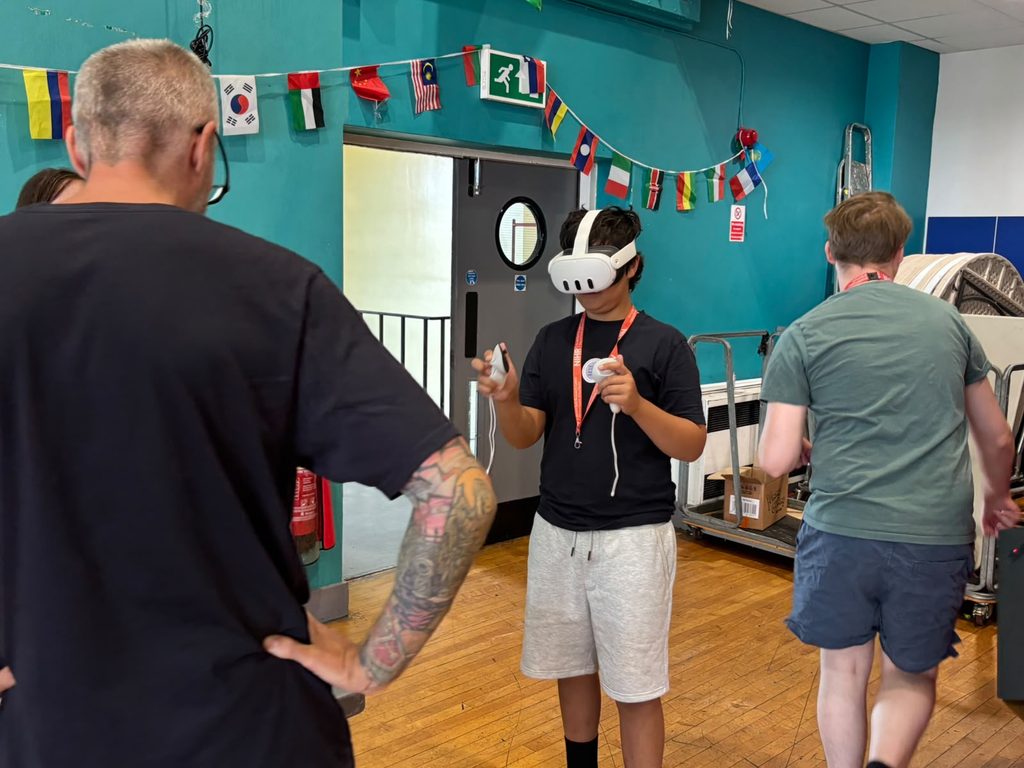
Another popular stand offered attendees the chance to try a virtual reality (VR) application and think about how VR experiences might support good mental health and wellbeing.
The stand was run by Dr Aislinn Bergin, MindTech’s Emerging Technologies Lead, and Dr Jacob Andrews, Industry Lead at MindTech and Industry Engagement Manager for the MH-TRC.
MindTech has previously conducted several research studies involving VR and continues working with companies developing VR apps for mental health.
Feedback from the day was overwhelmingly positive. 89% of attendees described the event as definitely welcoming and inclusive, almost all felt the research was relevant to their community, and 58% said they had learned a lot about research, with the remaining 42% learning something new.
Dr Charlotte Hall, Digital Intervention Co-Lead for the MH-TRC Mission’s Children and Young People’s Mental Health Theme, said:
“The atmosphere on the day was fabulous! We had a lot of fun and gained valuable insights to take forward into our work.
“The success of the day was made possible by the creativity, leadership and teamwork of researchers and partners.”
The team now hopes to build on the conversations, ideas and relationships sparked at the event, showing that when research is brought into trusted community spaces, people are eager to be involved.