The NIHR Mental Health Translational Research Collaboration (MH-TRC) Mission is pleased to report on the success of its Foundation Year 1 (FY1) Doctor Mental Health Research Taster Day(s) Programme 2026, delivered through the Capacity Development workstream.
The Programme introduces early-career doctors to clinical academic pathways, connecting them with leading mental health researchers and supporting the development of future clinical academics from the earliest stages of their careers.
The Programme offered FY1 doctors the opportunity to attend “taster days” at leading research centres, where they engaged with clinical academics, explored ongoing studies, and developed a broader understanding of how research informs patient care.
Successful applicants, were matched to host centres based on their individual interests, enabling meaningful and relevant experiences across a wide range of research areas, including suicide prevention, data quality, and service improvement.
During their placements, FY1 doctors took part in a range of activities that brought research to life. Participants attended research meetings, observed multidisciplinary discussions, and engaged directly with ongoing projects, allowing them to see how evidence is generated and applied in real-world clinical settings.
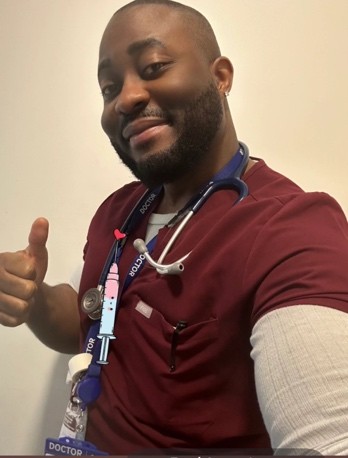
Dr Courage Osa- Nappier, who attended the King’s College London placement, said:
“I had the privilege of learning about neuroimaging and experimental medicine, interactive mock scanner, Genomics and BioResource.”
A key feature of the Programme included the support provided by dedicated mentors, including research-active clinicians and more senior doctors, who guided participants throughout their experience.
Dr Misheel Davaadorj, whose placement took place at Brighton and Sussex Medical School, said:

“I had an opportunity to meet consultant psychiatrists who are distinguished researchers in their fields. They inspired me to continue pursuing my goal to combine clinical work with research to directly improve patient care and the academic pathway.”
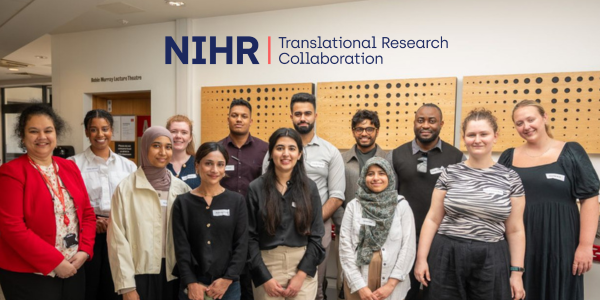
Recently, a group of 12 Foundation Year 1 (FY1) medics from across the UK took part in a mental health research taster day hosted by the NIHR Biomedical Research Centre (BRC): Maudsley and the Institute of Psychiatry, Psychology & Neuroscience (IoPPN) at King’s College London.
Throughout the day, participants were given a unique insight into the scope of mental health research and the opportunities available. Sessions highlighted cutting-edge work taking place across the NIHR BRC: Maudsley and IoPPN, including research into ketamine as a treatment for mental health conditions, biomarker discovery and innovative approaches to eating disorder research.
Alongside presentations on research advances, attendees heard honest reflections from clinical academics in training about their own career journeys. These discussions provided practical advice on balancing clinical practice with research and offered a realistic view of the opportunities and challenges involved in pursuing an academic career.
Dr Aiste Adomaviciene, NIHR MH-TRC Mission Capacity Development Programme manager said:
“The response to the Taster Day was overwhelmingly positive with our FY1 medics showing a great deal of enthusiasm and curiosity. For many attendees, it was the ideal moment to discover academic medicine before committing to specialty training.”
The day was hosted by Professor Rina Dutta, Academic Career Development Lead at the NIHR BRC: Maudsley, forming part of the BRC’s broader commitment to training and capacity development for clinicians and non-clinical scientists.
As demand for a skilled and research-active mental health workforce continues to grow, initiatives such as this will be essential in ensuring capacity keeps pace.
The success of the FY1 Doctor Mental Health Research Taster Day(s) Programme 2026 highlights the value of continued investment in early-career development, fostering a pipeline of clinicians who are both capable of and motivated to deliver meaningful mental health care and research impact for patients, services, and communities.
To learn more about the NIHR MH-TRC Mission’s Capacity Development workstream, visit our webpages.