A new NIHR Mental Health Translational Research Collaboration (MH–TRC) Mission study in Scotland is exploring whether young people experiencing a mental health crisis can receive faster, more personalised support by combining therapeutic intervention with rapid neurodevelopmental assessment.
The University of Glasgow’s Therapeutic Assessment and Neurodivergence Assessment (TANDA) study is run in partnership with NHS Ayrshire and Arran and Queen Mary University of London.
The project is investigating a new approach designed to improve care for children and young people who may be neurodivergent and are experiencing significant mental health difficulties and is part of the NIHR MH-TRC Mission Children and Young People’s Mental Health workstream.
Research shows that neurodivergent young people, including those who are autistic or have ADHD, are more likely to experience mental health challenges. However, their neurodevelopmental needs are not always recognised during crisis care, meaning many young people and their families can face long waits before receiving support.
TANDA brings together two complementary approaches. The first is Therapeutic Assessment, a collaborative and supportive conversation that helps young people understand their distress and feel more in control. The second is a rapid neurodevelopmental assessment, which uses innovative tools to help experienced clinicians identify signs of neurodivergence more quickly and holistically.
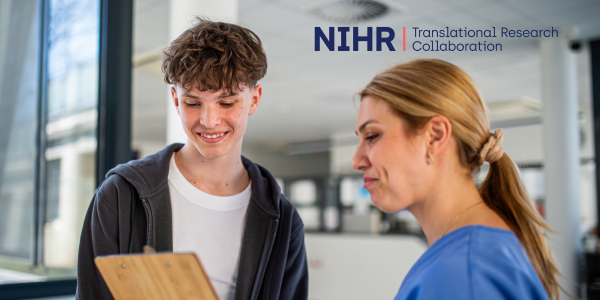
As part of the study, young people meet with clinicians to discuss their experiences and wellbeing. Parents and/or carers complete an online developmental questionnaire, and schools may also be asked to provide information where appropriate.
Young people work with healthcare professionals through discussions, activities and observations designed to build a fuller picture of how they think, learn and experience the world. Following the assessment, families receive detailed feedback, which may include a diagnosis or recommendations for support and next steps.
The study will explore how acceptable and useful this approach is for young people, families and clinicians, as well as whether it can be successfully delivered within busy NHS Children and Adolescent Mental Health Services (CAMHS). Findings will help researchers determine whether a larger national trial should be undertaken in the future.
By integrating earlier identification of neurodivergence into mental health crisis pathways, the TANDA team hopes to improve outcomes for young people and ensure they receive care that better reflects their individual needs.
Dr Jason Lang, Senior Clinical Lecturer at the University of Glasgow and TANDA study lead said:
“One of the key ideas behind TANDA is that assessment itself can become part of intervention, rather than simply a gateway to services. We are interested in whether collaborative and relational approaches can reduce distress and help families feel more understood during periods of crisis.
“We hope this work will contribute to broaden conversations around how neurodevelopmental services can become more accessible, compassionate and responsive to the realities faced by children, young people and their families.”
The study aligns with the NIHR MH-TRC Mission’s commitment to developing and evaluating innovative approaches that can transform mental health services for children and young people.
Learn more about the NIHR MH–TRC Mission Children and Young People’s Mental Health workstream.