
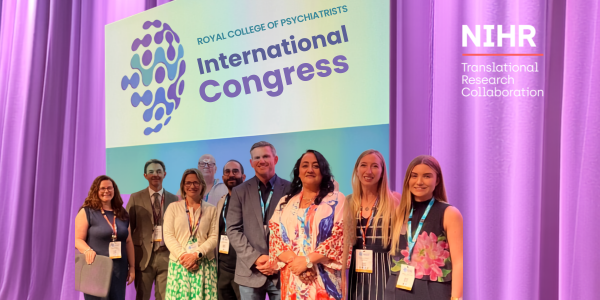
The NIHR Mental Health Translational Research Collaboration (MH-TRC) Mission recently showcased its work in embedding research within routine mental health care during a dedicated session at the Royal College of Psychiatrists International Congress 2026 in Liverpool.
The RCPsych International Congress is an annual flagship event, where leading psychiatrists from across the world meet to share knowledge, debate, collaborate, educate and network.
At the Congress, MH-TRC Mission colleagues delivered a session on embedding research in routine mental care, highlighting a coordinated national approach across psychosis and mood disorders care.
Professor Rachel Upthegrove, Chair of the NIHR MH-TRC, opened the session by outlining the Collaboration’s national vision for integrating translational research into everyday mental health services.
Professor Upthegrove highlighted how coordinated working across organisations is strengthening research infrastructure and supporting cross-diagnostic approaches that benefit patients and clinicians alike.
Speakers from the MH-TRC Mission Early Psychosis workstream, including Dr Jacqueline Robbins, Professor Graham Murray and Dr Marie Bowers, shared examples of how trial-ready services and multicentre collaboration are helping to accelerate psychosis research. They also discussed efforts to widen access to innovative treatments and create stronger links between research and clinical care.
Dr Mourad Wahba presented on how Mood Disorder Research Clinics can be embedded within NHS services. Using Newcastle’s Care Pathway Enhancement (CaPE) Clinic as an example, Dr Wahba showed how integrating interventional research into clinical pathways can increase opportunities for patients to take part in studies and access future treatments.
The session concluded with a lived experience panel who discussed their involvement in the MH-TRC, the importance of Patient and Public Involvement and Engagement (PPIE), and how lived experience perspectives help shape research priorities, design and delivery.

Sara Phillips, Expert by Experience and panel speaker, said:
“Taking part in the lived experience panel at the RCPsych International Congress was a wonderful opportunity to share our voices with researchers and clinicians.
“One of my key takeaways was how well the panel was received and how valuable it was to have a wider range of lived experiences represented. Each of us brought different perspectives and insights, which really demonstrated the strength of meaningful PPIE.”
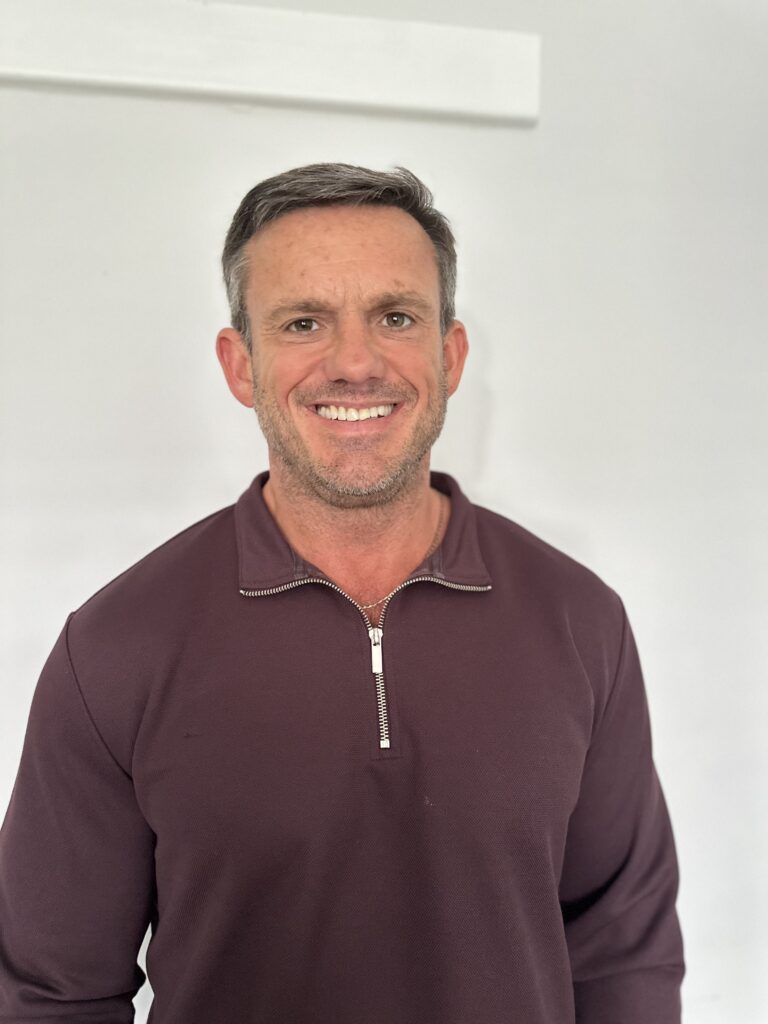
Matt Copple, lived experience panel member, said: “The Congress was energising and genuinely meaningful. The atmosphere was warm, open, and collaborative, and it was clear that lived experience was being taken seriously.
“PPIE isn’t a tick‑box exercise. It’s a vital way of ensuring that people who have lived through the hardest parts of mental illness help shape better research, better care, and better futures. When our voices are included from the start, the work becomes more humane, more relevant, and more impactful.”