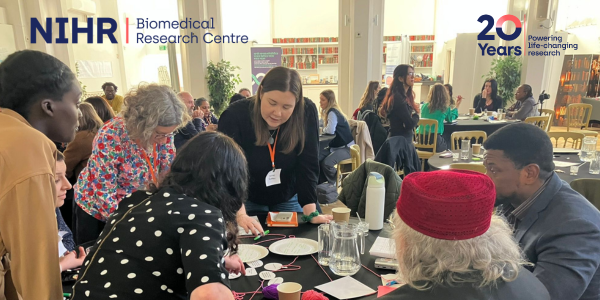
Recently, a mix of research teams, clinicians, community leaders and youth advisors came together for an event exploring how we can build stronger connections with communities through an increased appreciation of culture and faith.
The event was held at The Old Library in Birmingham with attendees represented from more than 25 organisations, including universities, NHS trusts, National Institute for Health and Care Research (NIHR) infrastructure, community organisations and faith‑based groups.
The event evolved from conversations within the NIHR Biomedical Research Centre (BRC): Oxford Health Partners Equality, Diversity and Inclusion (EDI) Working Group around the different interpretations of mental health concepts and language in other cultures and ethnicities.
It was hosted by NIHR BRC: Oxford Health and our NHS and University partners in Sheffield and Birmingham, with support from collaborators, NIHR BRC: Birmingham, NIHR Clinical Research Facility (CRF): Oxford Health and NIHR BRC: Oxford.
The event aimed to tackle a long‑recognised challenge – the underrepresentation of African, Caribbean and Asian communities in mental health research. With a programme spanning interactive workshops, youth‑led activities, community presentations and academic insights, the day set out to spark fresh dialogue and develop practical approaches for making research more culturally grounded, inclusive and accessible.
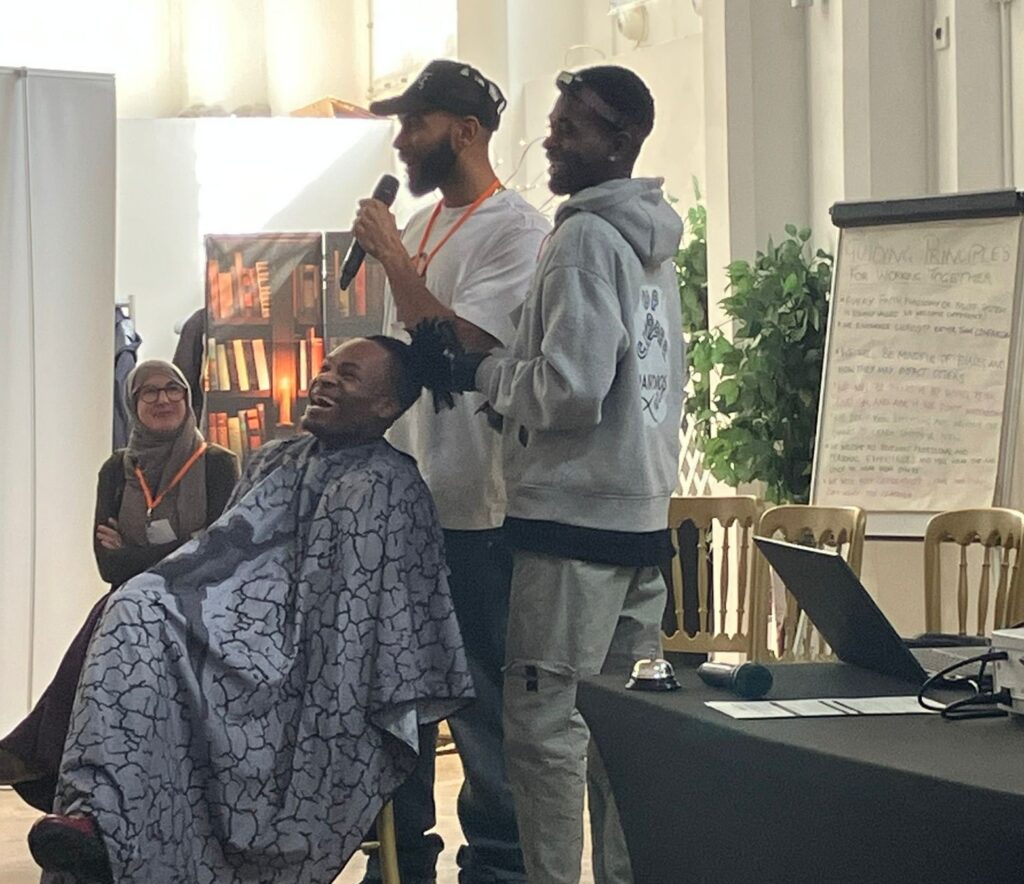
One of the most talked‑about moments came from Sheffield‑based In The Cut, a pop‑up barbershop project highlighting Black men’s mental health and the barbershop as a healing space. Their team of researchers, barbers and community advocates delivered a compelling presentation featuring a live haircut. As part of the Deep‑End Research Alliance, they also showcased the Community Researcher Model, which drew strong interest from attendees wanting to learn more.
Attendees heard from the Sheffield African and Caribbean Mental Health Association, who shared how their partnership with University of Sheffield researchers, and their adoption of the community researcher model, has improved the relevance and impact of research for their communities.
Attendees praised the session led by Gulamabbas Lakha, Honorary Research Fellow at the University of Oxford, who explored how religious belief systems can influence help‑seeking behaviour, coping strategies and the willingness to take part in research. Many participants said this talk prompted them to think differently about the assumptions built into traditional research processes and the importance of meeting people “where they are”, culturally, spiritually and practically.
Another standout moment came from the Midlands Advisory Group, part of the Mental Health Mission Midlands Translational Research Centre. Using creative tools, they guided attendees through activities unpacking intersectionality and cultural identity. Their confident facilitation brought fresh energy into the room and prompted wide reflection on how research environments can be made more welcoming and relevant.
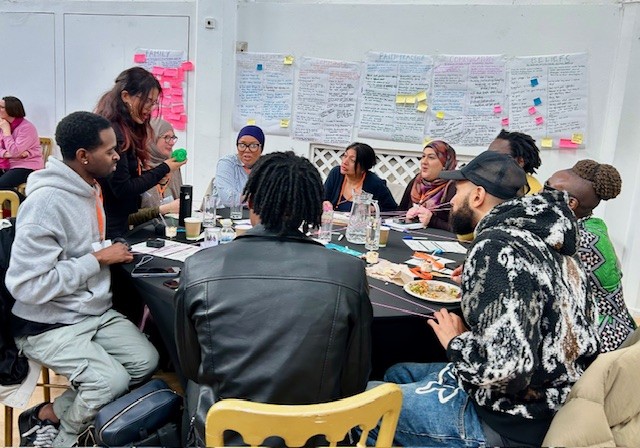
Throughout the day, the event fostered a rich mix of perspectives. Senior NHS research nurses sat alongside early‑career PhD students; community organisers shared learning with researchers travelling from across the country; clinical psychologists and faith workers reflected together on cultural stigma, trust and access.
This blend of professional, lived and community expertise was repeatedly highlighted by attendees as one of the defining strengths of the event. Evaluation data showed that over 80% of attendees gained a deeper understanding of the factors that shape people’s perceptions of, and engagement with, mental health research.
Many said they left with concrete ideas to take forward, including adapting research designs, strengthening links with community organisations, rethinking recruitment strategies or incorporating more faith‑sensitive and culturally informed approaches into clinical and research settings.
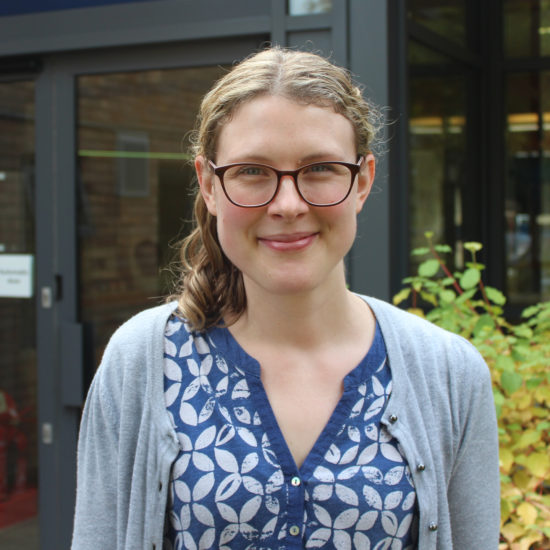
Reflecting on the day, Dr Angharad de Cates, EDI Academic Lead at, and NIHR Clinical Lecturer at the University of Birmingham, says:
“This event showed just how powerful it can be when we create space for genuine collaboration between researchers and the communities we serve.
“Faith, culture and lived experience are not side issues in mental health research, they shape how people understand wellbeing, how they access support, and whether research feels trustworthy and relevant.
“Seeing so many partners come together with openness, curiosity and creativity was encouraging.”

Lizzie Carline, EDI Project Manager at BRC: Oxford Health, who led the organisation of the day, added:
“We wanted to create a space where researchers, clinicians and communities could meet as equals sharing insight, challenging assumptions and learning from each other and it was great to see that realised.”
One attendee summed up the experience in their feedback form:
“The interactive sessions really made me rethink what community‑ready research looks like. I’m leaving with so many ideas to bring back to my team.”
As the event closed, participants expressed hope that the conversations and partnerships formed in Birmingham would continue. Attendees agreed to share progress over the coming year, enabling BRC: Oxford Health and partners to understand the longer‑term impact of the day on national mental health research practice and helping to build a growing movement towards truly community‑ready research.
Contact us if you have an enquiry: ohbrcenquiries@oxfordhealth.nhs.uk