A ketogenic diet, a high-fat and very low carbohydrate eating plan, may help people with treatment-resistant-depression, a new study has found.
The research has been funded by our NIHR Oxford Health Biomedical Research Centre (OH BRC).
The findings offer cautious optimism for patients and clinicians seeking new ways to manage depression. However, researchers have signalled that a ketogenic diet is challenging and whether this is sustainable for most people is unclear.
Depression is one of the most common mental health conditions worldwide. While many people respond well to antidepressant medication, some do not. When someone has tried at least two different antidepressants at adequate doses but still experience significant symptoms, they are considered to have depression which is resistant to treatment.
This severe form of depression affects thousands of people in the UK and is associated with poorer quality of life, higher healthcare costs, and increased risk of suicide.
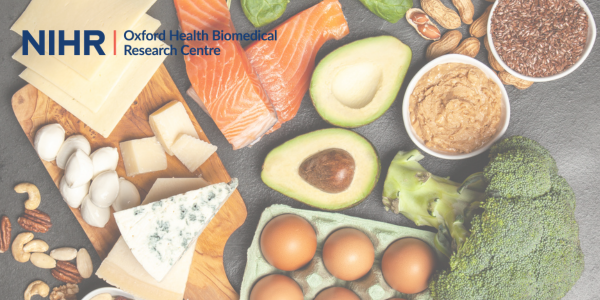
A ketogenic diet, often referred to as “keto”, shifts the body’s metabolism from using glucose (sugar) for energy to using ketones, which are produced from fat. Ketogenic diets have been used for decades to treat epilepsy and are now being studied for other conditions, including mental health disorders.
The first UK-based randomised controlled trial for this condition recruited 88 adults aged 18–65 from across the UK who were living with treatment-resistant-depression. Participants were randomly assigned to either:
- A ketogenic diet (or Keto diet): receiving pre-prepared meals and snacks providing fewer than 30 grams of carbohydrates per day and advice for preparing their own keto meals
- A control diet (or Phyto diet): encouraging increased consumption of fruit and vegetables and replacing saturated fats with plant oils, with shopping vouchers to purchase these foods.
The intervention lasted six weeks during which all participants received weekly phone calls from health coaches to support them to follow their allocated diet.
Participants were encouraged to weigh themselves regularly and to maintain a stable weight so researchers could specifically study the effect of diet composition, rather than the effects of weight change.
Participants were then free to continue the diet or not, but with no further support. Final measurements were made at 12 weeks.
Key findings:
- Rapid improvement in symptoms: both groups reported significant reductions in depression severity within 2 weeks. At 6 weeks, the ketogenic diet group showed a slightly greater improvement than the control group
- Sustained benefit, but no long-term difference: improvements in depression were maintained but not different in both groups at 12 weeks
- Adherence was challenging: by 12 weeks, most participants had stopped following the keto diet and reported multiple challenges in sustaining it once the pre-prepared meals were no longer provided
- Safety: no serious adverse events occurred during the trial
While the difference between groups was modest and adherence to the ketogenic diet proved challenging, the study provides the first controlled trial evidence that ketogenic diets may offer short-term benefits when combined with usual care. It is not fully understood how the mechanisms of a ketogenic diet affect depression.
Treatment-resistant-depression places a heavy burden on individuals and the NHS. Current options often involve complex medication combinations or intensive therapies, which can be costly and difficult to access. Dietary interventions, if proven effective, could provide an additional tool for clinicians and patients.

Dawn Booton, a 62-year-old home care worker from Hinckley in Leicestershire, struggled with depression for over 30 years. Dawn has been prescribed different antidepressants over the years, but wanted to find a better way of managing her depression. In Spring 2024, she decided to take part in the study.
Dawn said: “The keto diet had a great impact; I couldn’t believe the difference it made to my life. My mood improved dramatically, and I had more energy. I felt like a new person.
“Before the trial, I felt very low, and at some point, suicidal. I felt like I was looking down into a dark tunnel with no way of seeing the light.”
Dawn adhered to her new diet for 6 weeks and was supported through telephone calls with the research team. She said: “The meals I received were nice and easy to prepare. Although it was strange at first to have things like mushrooms in a creamy sauce for breakfast, I got used to it.”
Since completing the study, Dawn feels that she has a much more positive relationship with food. She is looking to follow the ketogenic diet again.
The research team noted her experience described is individual and time-limited. The study showed most participants did not continue with the diet, and those who did reported challenges with adherence.
Lead researcher Dr Min Gao, NIHR OH BRC Senior Researcher in Metabolic Psychiatry at the University of Oxford, said:
“Our findings suggest that a ketogenic diet, delivered with structured support, may help some people with severe depression achieve greater improvements. This research shows the importance of rigorous study designs to test the effects of dietary change.
“The overall improvement in depression was striking, but improvements in the comparator group suggest some of this effect was attributable to extra support and a novel treatment approach.”
Researchers plan further studies to explore how to support patients to follow a ketogenic diet in the long term. More research is also needed to study the mechanisms by which keto diets affect brain function.
A ketogenic diet is not a substitute for prescribed treatment. While early results are promising, more research is needed before ketogenic diets can be recommended for depression. Anyone considering dietary changes for mental health should speak to their GP or mental health professional.
Professor Mike Lewis, NIHR Scientific Director for Innovation, said:
“With these initial encouraging findings, we can visualise the potential for new treatment options that could better support people with hard-to-treat depression. Mental health is a key priority for the UK Government, and prioritising research that delivers safe, effective treatments and helps prevent conditions from worsening ensures no-one is left behind.
“Now in our 20th year, the NIHR continues to drive life-changing research that matters. From earlier diagnosis and prevention, to better treatments and improved quality of care, NIHR-funded research has changed lives across the UK.”