You are here: Home / OH BRC Newsletters / Issue 21
Issue 21
Welcome to the latest edition of the Oxford Health BRC newsletter.
We’re pleased to share a fresh collection of updates, research highlights, and news from our partners all in one place. It’s your go-to source for staying connected with our research community.
Research shows wide variation in side-effects of antidepressants
According to new research, antidepressants differ widely in how they affect the body. A large-scale study found that some antidepressants can cause clinically relevant changes in body weight, heart rate, and blood pressure within just a few weeks, while others appear largely neutral in their physical effects. Researchers are calling for antidepressant treatment guidelines to be updated to reflect these findings.
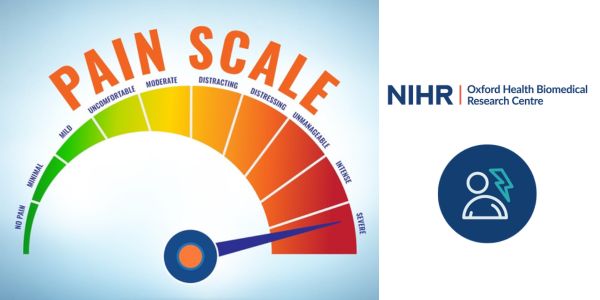
What we Carry is a collaborative art-science project led by our BRC and artist Marysa Dowling. This new exhibition runs until 6 December at The Corridor Gallery, Level 2 Main Entrance Corridor, John Radcliffe Hospital, Oxford, OX3 9DU. The exhibition uses photography and creative expression to make the invisible experience of chronic pain visible.
Mandatory nutrient warning labels could prevent 100,000+ obesity-related deaths in England
Researchers supported by Oxford Health BRC, report that mandatory front-of-pack nutrition labels could significantly cut obesity rates and save lives. Using a 20-year microsimulation model, traffic light labels were estimated to prevent or postpone 57,000 deaths, while nutrient warning labels could avert around 110,000.
As we mark 25 years since the first clinical trial demonstrating ketamine’s antidepressant effects in people with major depressive disorder, researchers from OH BRC Depression Therapeutics Theme have published a review of research into ketamine as a treatment for depression. Researchers concluded that while questions remain on it’s side effects and long-term safety, ketamine has opened the door to a new generation of fast-acting antidepressants, offering hope to those living with treatment-resistant depression.
Oxford Health BRC’s EDI exemplars champion inclusive research, from co-produced patient materials to projects addressing health inequalities. They demonstrate how equality, diversity and inclusion can drive cultural change across all Themes. Disability History Month (14 Nov–20 Dec) urges reflection on valuing disabled lives, noting 35% of clinical trials still exclude disabled people without valid reason.
Experts urge rethink on young people’s involvement in mental health science
A new paper, co-authored by OH BRC Flourishing & Wellbeing Theme Lead Professor Ilina Singh, argues that while involving young people in mental health research is vital, doing so without clear framework risks more harm than good. Researchers are calling for a more rigorous approach to patient and public involvement in child and adolescent mental health research, with clear conceptual and methodological foundations.
Oxford-developed child anxiety treatment rolled out internationally
The Online Support and Intervention (OSI) tool is a brief therapist-guided, parent-led online Cognitive Behaviour Therapy platform for treating anxiety problems in children aged 5-12 years. Following success in the NHS, the tool is to be adapted and tested in five countries in Asia and South America, with the aim of driving widespread implementation in the future.
Building better research through public involvement
The Mental Health Translational Research Collaboration (MH-TRC) Mission is embedding public involvement at every stage of research helping shape priorities, ensuring studies reflect real-world needs. By integrating lived experience into their work and engaging underserved communities, the MH-TRC Mission promotes transparency, inclusion and impact. This approach moves beyond participation to true partnership, making mental health research more relevant and person-centred.
New study to investigate link between gut microbiome and emotional and cognitive wellbeing in early menopause
A new Oxford study, in partnership with ADM, is exploring how probiotics influence emotional and cognitive wellbeing during early menopause. The eight-week trial involves 106 perimenopausal women and examines mood, cognition, and gut microbiome changes. Researchers aim to build evidence on probiotics’ potential to ease menopausal symptoms, following earlier findings of improved mood.
Almost 70% of bowel cancers missed at colonoscopy are avoidable
A nationwide audit of 1,724 cases across 126 NHS hospitals found nearly 70% of bowel cancers missed at colonoscopy could have been avoided. Published in Endoscopy and supported by Oxford BRC, the study revealed most cases involved missed lesions, with 44% of patients harmed and 8% dying prematurely. Acting on findings could prevent over 800 cases annually,