You are here: Home / OH BRC Newsletters / Issue 23
Issue 23
Introducing the Oxford Health BRC Newsletter
A new year brings new opportunities, and we’re excited to publish this year’s first edition. Inside, you’ll find the latest research insights, research updates, and stories from across our partner network.
Across Oxford Health NHS Foundation Trust’s 4 research infrastructures, 2025 was a year of momentum, partnership, and benefits for patients and communities. Building on the achievements of 2024, research teams prioritised collaborative partnerships, fostered innovation across our research infrastructures, and streamlined processes to accelerate the delivery of new studies. Recently, we showcased our top highlights from across the infrastructures in 2025, including recruitment excellence and national firsts, delivering new studies, improving access to research opportunities and shaping the future of inclusive mental health care.
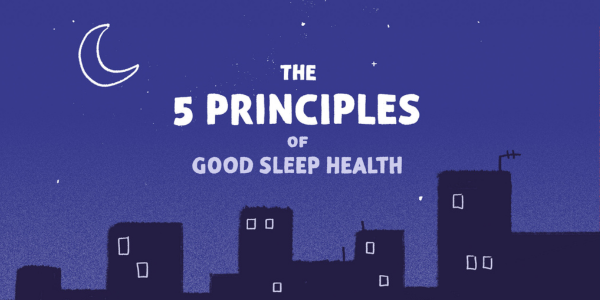
New animation explains 5 principles of good sleep health
A new three‑minute animation from our Better Sleep Co-Theme Lead Professor Colin Espie introduces the ‘5 Principles of Good Sleep Health’: valuing, prioritising, personalising, protecting and trusting sleep. Narrated by Sacha Baron Cohen, it explains how quality sleep restores physical, cognitive and emotional wellbeing. Supported by Oxford Health BRC, the film aims to make evidence‑based guidance accessible for everyone offering simple, practical ways to improve sleep and place it firmly at the centre of daily health.
Eight mid‑career researchers have been appointed as the latest NIHR Oxford Senior Research Fellows, recognised for their potential to become future leaders in translational research. Jointly selected by the NIHR Oxford Health BRC and NIHR Oxford BRC, the Fellows receive flexible funding and leadership training to advance their work. Congratulations to Oxford Health BRC Fellows, Dr Adam Al‑Diwani, Dr Alex Lau‑Zhu and Dr Felicity Waite.
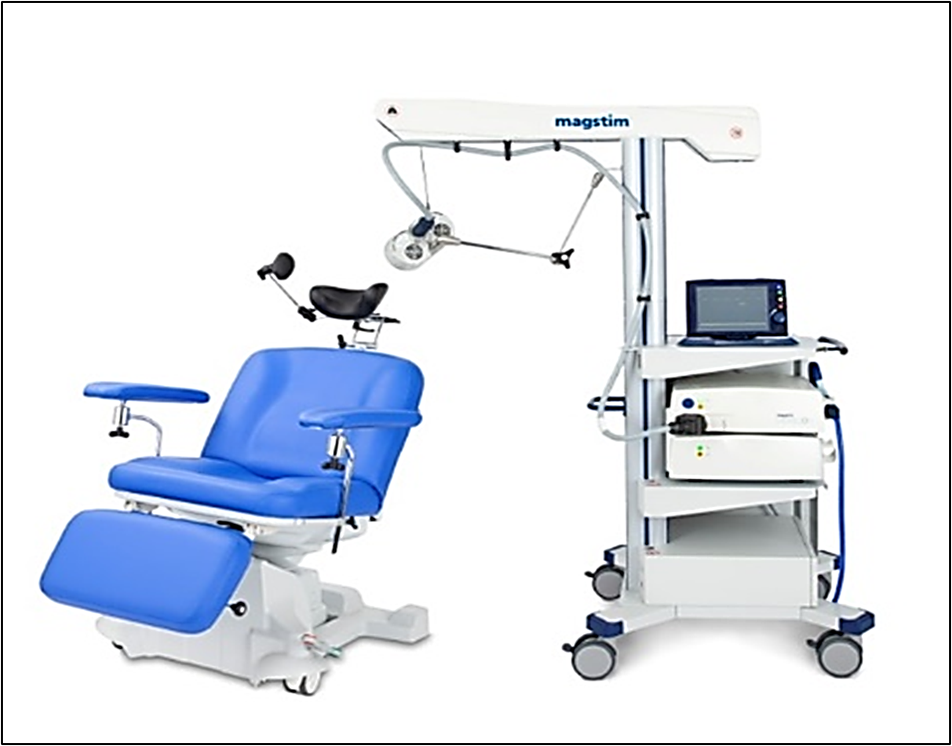
New resources for implementing Transcranial Magnetic Stimulation service
Transcranial Magnetic Stimulation (TMS) is a clinically effective and safe treatment for depression, which works by stimulating areas of the brain that regulate mood. New resources have been developed to support clinicians establish or develop a TMS service. Resources include notes on how to develop a TMS business case, an exemplar business case and private provision of TMS and executive summary documents.
New study offers breakthrough in detecting risk for psychosis and bipolar disorders
Findings of a study introduces a new clinical prediction model to identify individuals at risk of psychosis or bipolar disorder. Previously, clinicians relied on fragmented assessment tools to diagnose patients. The new risk prediction model uses routinely collected health data to predict both conditions earlier and more accurately. Developed from thousands of UK patient records, the model shows strong predictive accuracy, offering clinicians an evidence-based tool to improve early intervention and long-term outcomes.
Celebrating Nurses, Midwives, Allied Health Professionals, Pharmacists, and Psychologists at Oxford Health BRC
OH BRC has launched a dedicated page showcasing the profiles of Nurses, Midwives, Allied Health Professionals, Pharmacists, and Psychologists (NMAHPPs) who are driving mental and brain health research. The new NMAHPPs Staff Profiles page highlights the diverse roles and inspiring journeys of healthcare professionals who combine clinical expertise with research innovation.
NMAHPPs thinking about their next career move are invited to our free Research Careers Showcase, which will be held online on 21 January from 10am to 1pm. It’s a chance to hear real stories from NMAHPPs, explore funded opportunities, and build confidence in navigating a research career.
How are collaboration and regulation transforming UK clinical trials?
Collaboration and streamlined regulation are transforming UK clinical trials. Oxford Health’s Business Development Team (BDT) bridges academia, the NHS, and industry to accelerate research into patient care. By expanding into digital health and fostering strategic partnerships, the BDT drives innovation and practical impact. Regulatory improvements and NHS England’s 150-day trial set-up target position the UK as a global leader in commercial research, ensuring faster, more efficient studies and better outcomes for patients.
Three years of impact: Driving mental health research
For the last 3 years, OH BRC has led UK innovation in brain and mental health research, partnering with Oxford University and national collaborators. Its five-year programme spans 11 themes tackling priorities from child mental health to depression. Hosting the NIHR Mental Health Translational Research Collaboration Mission, OH BRC has set new standards for research excellence, research capacity, industry engagement, and patient-centred innovation.
New scoring system aims to speed diagnosis of autoimmune brain disorder
Researchers have developed a simple scoring system to help clinicians identify possible cases of NMDAR-antibody encephalitis, a rare, life-threatening condition often mistaken for psychosis. The system focuses on rapid-onset psychiatric symptoms and complements existing diagnostic approaches. Early recognition is crucial, as timely treatment improves outcomes. The study, led by researchers in the University of Oxford’s Department of Psychiatry, advocates better access to lumbar punctures in psychiatric settings to confirm diagnosis and guide care.
Stopping weight-loss drugs linked to faster regain than ending diet programmes
A study involving OH BRC researchers and funded by Oxford BRC has found that people tend to regain weight rapidly after stopping weight-loss drugs, faster than after ending behavioural weight loss programmes. The findings come as real-world data shows around half of people discontinue GLP-1 receptor agonist treatment within 12 months, and just months after the National Institute for Health and Care Excellence (NICE) published quality standards recommending post-treatment support for at least one year.