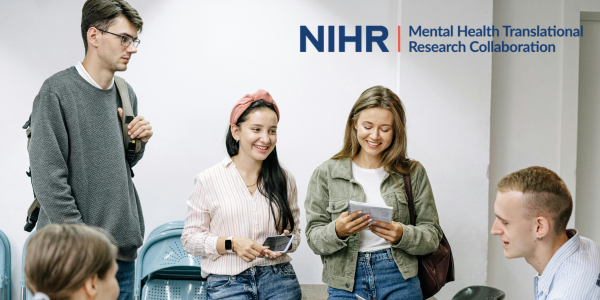
Dr Helen Casey, Research Associate at the University of Cambridge, is working with the NIHR Mental Health Translational Research Collaboration (MH-TRC) Mission’s Children and Young People’s Mental Health workstream to advance research into children and teenagers’ mental health.
Dr Casey is part of the University’s Child and Adolescent Resilience and Mental Health (ChARM) group, a group of experts focused on developing and evaluating school-based interventions to support mental health and resilience among young people.
Recently, the ChARM group facilitated a week’s work experience at the University for young people from a secondary school and a sixth form college in Cambridge, who are interested in mental health research.
On each day of the work placement, the young people attended a workshop about a different mental health project. One project the young people worked on was the Supporting Teachers And childRen in Schools (STARS), an investigation into how best to help chronically ill children to return to mainstream school, following a hospital stay.
In this article, Dr Casey shares what happened when the young people were invited to learn about the STARS study and suggest ideas for its improvement during the workshop:
“The STARS study is being conducted at the Pilgrim School, a hospital-based school providing education for children and young people from Cambridgeshire. Children and young people receiving inpatient care for chronic health conditions are more likely to be absent from school. This is associated with a range of negative outcomes, including poorer academic achievement, social isolation, stigma and greater likelihood of substance use, self-harm, suicidal ideation and socioeconomic disadvantage. Improving access to education for this group is therefore a key research priority.
The study uses a survey and semi-structured interviews to ask pupils and their parents about their experiences of the transition process back into school, and the barriers and facilitators to maintaining good attendance, following a time admitted to hospital.
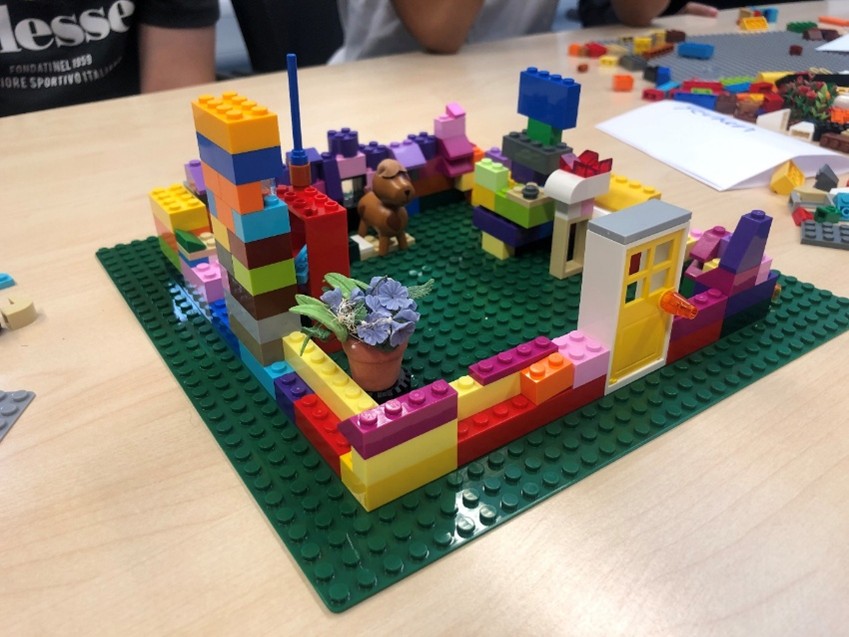
As part of the study, researchers have reflected on the importance of school environments being safe spaces for children and young people to learn.
To introduce this idea in the workshop, the young people explored what is meant by a ‘safe space’ and what helps to make a space both physically and emotionally safe for each of us.
They used Lego to each construct a representation of their safe space, before going on to work in small groups to create joint safe spaces. The group then reflected on the difference between working individually and in groups and likened these experiences to working in research teams which often requires collaboration, co-operation and compromise to get the job done.
The young people talked about the importance of having somewhere that is comfortable and private with familiar objects around them. They also described the importance of being able to share their opinions freely without being judged.
During the remainder of the morning the young people learned about different types of research methods with a particular focus on qualitative research. To illustrate the importance of active listening skills for qualitative studies, in groups of three, the young people took part in a listening exercise, each taking the role of speaker, listener and observer in turn, followed by reflecting on their experience of the task.
Before breaking for lunch, I shared a presentation about the STARS study. The young people were not aware of the Pilgrim School and were keen to find out about what aspects were similar or different to their own school. They empathically explored how being away from mainstream school to undergo treatment for cancer or mental ill-health might affect someone and what challenges they might face on returning.
In a lively discussion during the afternoon, the young people used the information they had learned about the study to improve an existing draft of the Participant Information Sheet (PIS) for the prospective study participants. Suggestions included using less words and changing some of the layout. We used their feedback to make the PIS more relevant to young people.
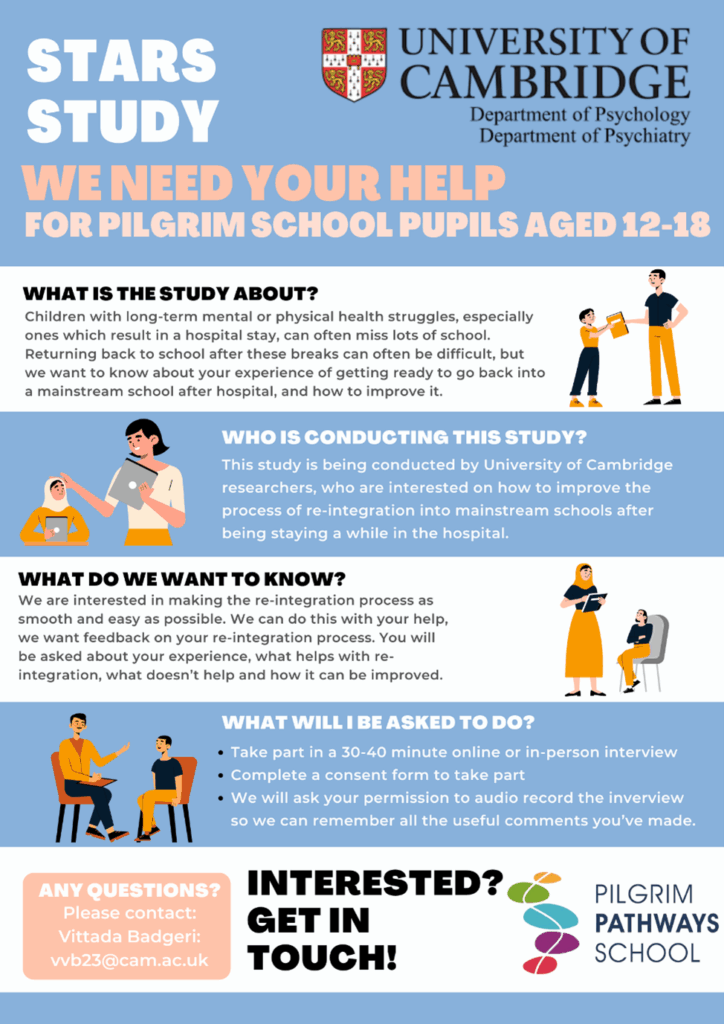
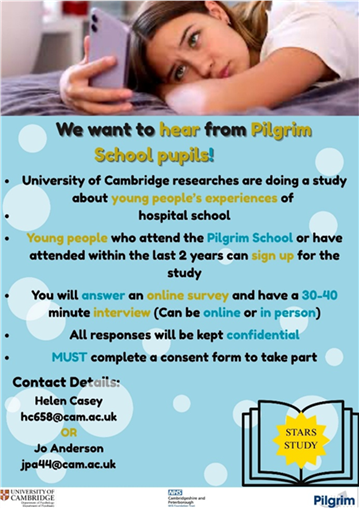
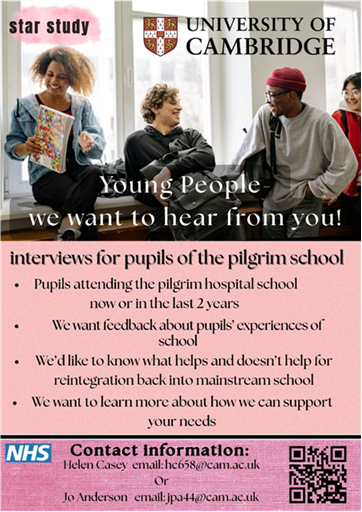
For the remainder of the day, they worked in small groups to design very colourful and informative recruitment posters. Their understanding of what will appeal to and connect with their peers both visually and in sentiment brought a unique perspective of their world to the research we do.
The young people were proud to learn their suggestions had been incorporated into an improved version of our PIS and that their posters will be used in our study and I would like to extend my thanks to them all for their contributions.
The STARS Hospital School Study workshop day was one of the most rewarding days at work that I had all summer!”
For more information on the MH-TRC Mission’s Children and Young People’s Mental Health, contact Sarah Ashton on sarah.ashton-2@manchester.ac.uk.