Eight mid-career researchers identified as having the potential to become future translational research leaders have been appointed as the next cohort of NIHR Oxford Senior Research Fellows.
The selection process was a coordinated effort by NIHR Oxford Health Biomedical Research Centre (BRC) and NIHR Oxford BRC.
The Senior Fellowship scheme, which was launched in 2019, recognises and supports mid-career individuals with the potential and trajectory to become future leaders in translational research in the NIHR in Oxford.
Fellows will receive an award of £5,000 a year for two years that can be used flexibly to facilitate their translational research programme and career development, for example on travel costs for research activities, attending conferences or career development and leadership training.
They will also attend a leadership programme, which includes workshops on leading self and others, triad coaching conversations and one-to-one coaching.
Oxford Health BRC Director, Professor Rachel Upthegrove, said: “Congratulations to the new cohort of NIHR Oxford Senior Research Fellows, selected from a very competitive field, who have demonstrated significant professional achievement, leadership potential and evidence of high-quality research with positive impact for patients.”
Successful applicants from Oxford Health BRC:
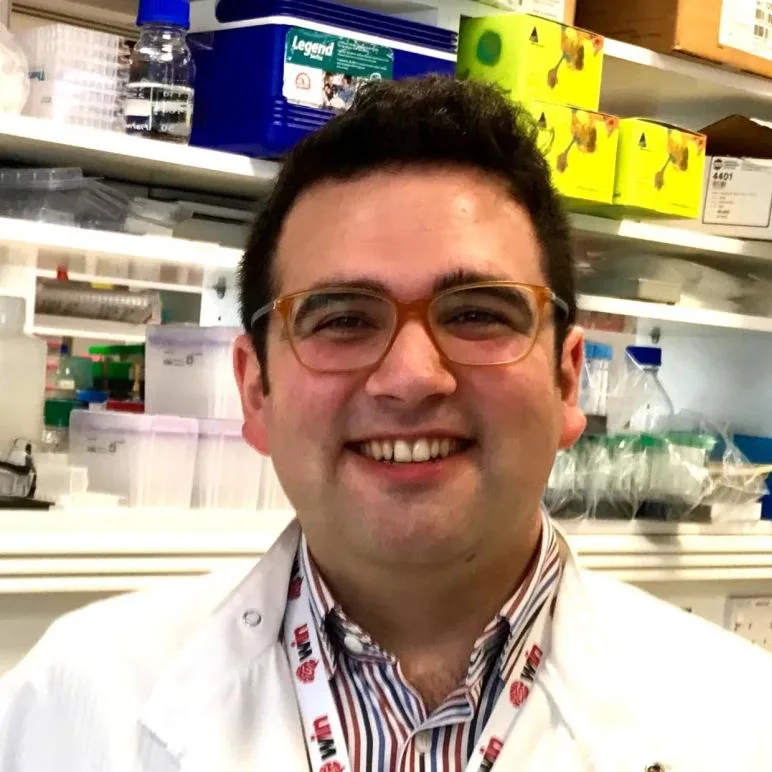
Dr Adam Al-Diwani, Senior Clinical Researcher, Department of Psychiatry. Adam’s research in our BRC’s Molecular Targets Theme focuses on the interface of neuropsychiatry and neuroimmunology.
He said: “I am delighted to have been appointed to this role. This will help catalyse research I am leading on neuroimmunology and brain health, made possible through the collaboration between the NHS and University through the BRC.”
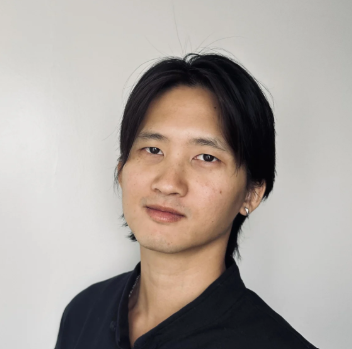
Dr Alex Lau-Zhu, MRC Clinician Scientist Fellow, Department of Experimental Psychology. Alex’s main research focus as part of our Mental Health in Development Theme is on promoting youth mental health.
He said “I’m delighted to receive the Oxford Health NIHR BRC Senior Research Fellowship. This translational award will help our team turn discoveries on emotional imagery and memory into practical, scalable support for youth mental health, particularly in high-need areas such as trauma, anxiety, and neurodiversity.”
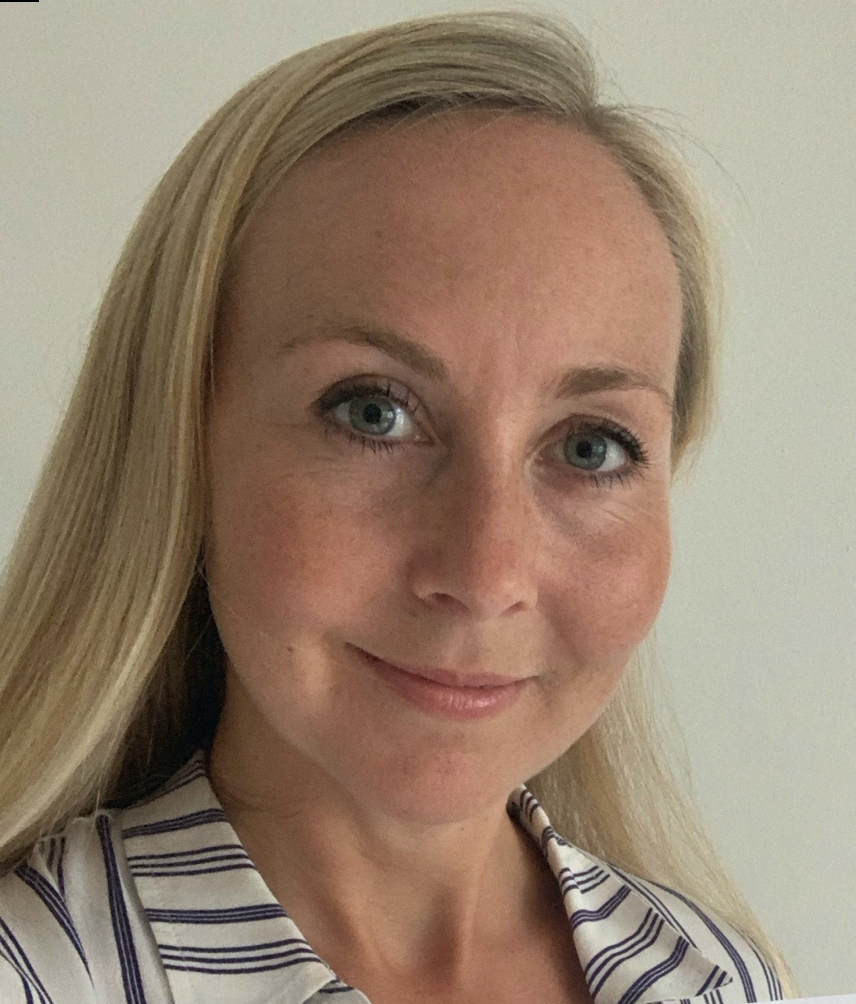
Dr Felicity Waite, Associate Professor of Clinical Psychology, Department of Experimental Psychology. Felicity’s work in our Psychological Treatments and Mental Health in Development Themes focuses on interventions for people experiencing distressing delusions and hallucinations, including young people at risk of psychosis.
She said: “This fellowship is an exciting recognition of the importance of developing psychological treatments that truly work for young people with severe mental health problems. It will allow us to grow and support our team, including peer researchers and PPI contributors, and help ensure our work makes a meaningful difference in young people’s lives.”
Successful applicants from Oxford BRC:
Dr Alexander Mentzer, Senior Clinical Researcher, Centre for Human Genetics, Nuffield Department of Medicine. Alex’s research focuses on using human genetics to understand what makes individuals more susceptible to infection and how we can use this information to improve public health.
Dr Emily Fraser, Consultant in Respiratory Medicine, Oxford University Hospitals. Emily leads OUH’s Breathlessness and Integrated Long COVID and Chronic Fatigue services; her research focuses on interstitial lung abnormalities and unexplained breathlessness.
Dr Rubeta Matin, Dermatology Consultant at OUH and Honorary Senior Clinical Lecturer in Dermatology at the Radcliffe Department of Medicine. Rubeta is Oxford Research Lead for Dermatology Skin Cancer Clinical Trials, and her research focuses on skin cancer and artificial intelligence.
Dr Sarah Gooding, Cancer Research UK Clinician Scientist based at the Weatherall Institute of Molecular Medicine. Sarah’s research is focused on the genetics and biology of the highest-risk cases of the incurable bone marrow cancer multiple myeloma and finding better ways to identify and treat it.
Dr Sarah Vollam, Senior Post-Doctoral Researcher, in the Nuffield Department of Clinical Neurosciences. Sarah’s research focuses on the use of wearables to enhance patient recovery after critical care.