PPIEP Across the UK
PPIEP is deeply embedded throughout the MH-TRC Mission workstreams and demonstrator sites across the UK.
Our strategic approach is to engage with and support locally-led community PPIEP activity.
This map demonstrates the PPIEP activity that is taking place across the MH-TRC Mission.
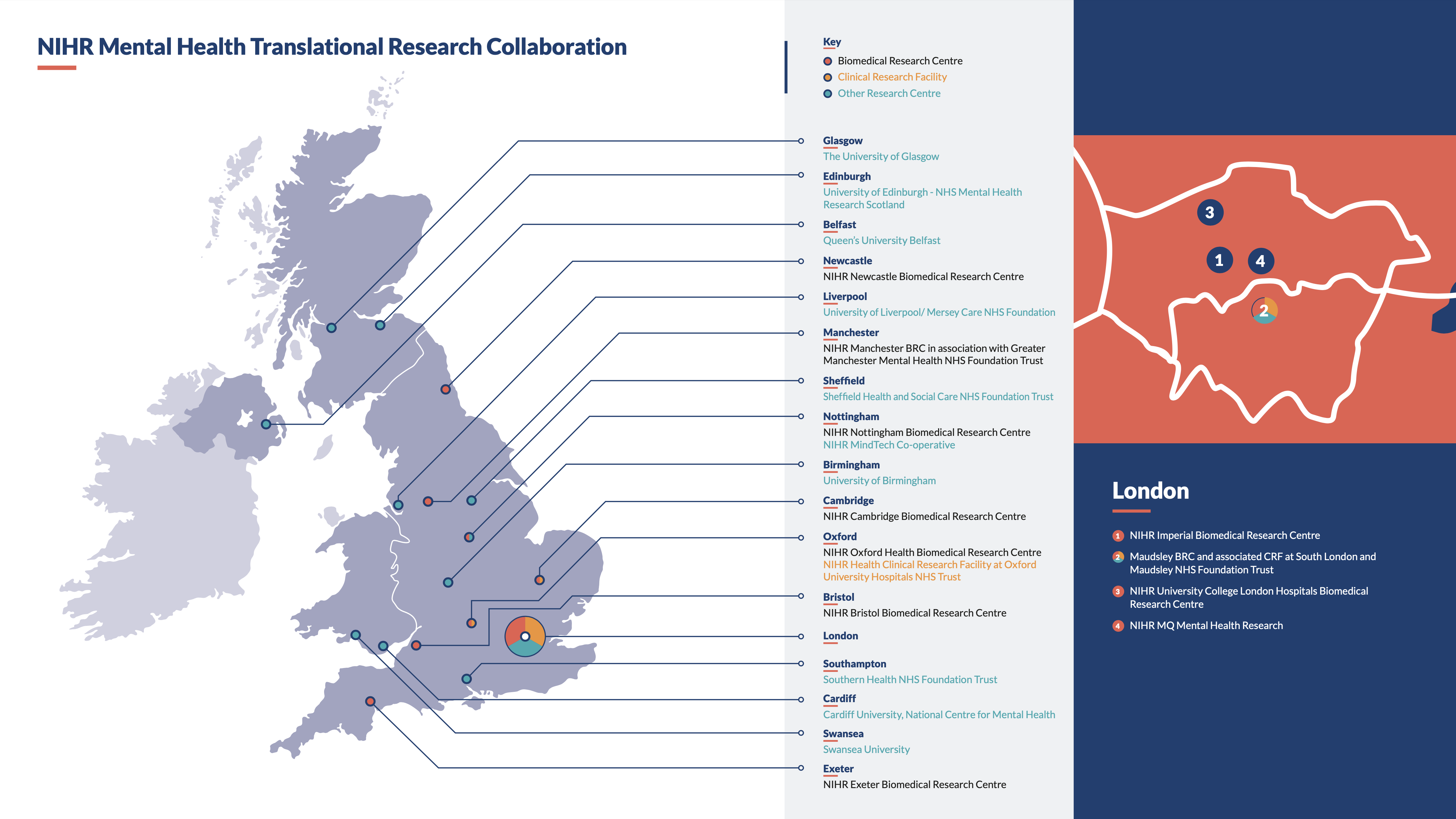
This map can also be viewed and downloaded as a PDF here.
MH-TRC Mission PPIEP Exemplars
Read more information below on how our workstreams and demonstrator sites involve patients and the public in their work.
Children and Young People’s Mental Health workstream
Children offer feedback on genetic condition study
A group of children aged 4-12 were involved in the review of materials and activities for a study into learning, attention and mood in children with neurofibromatosis type 1 (NF1). NF1 is a genetic condition where tumours grow on the nerves and skin. Children with this condition are more likely to have trouble with learning, memory and/or attention compared to their peers.
The MEKI and Learning in NF1 study aims to understand more about how the brain works in NF1 with the aim of developing treatments in the future.
The children were invited to help the research team the University of Manchester create study recruitment videos and share their thoughts on the existing study recruitment and information resources. They were also invited to try out some of the study activities, which included having an electroencephalogram (EEG), a test that measures electrical activity in the brain.
Some of these children were interviewed about what they thought about the study resources and tasks alongside what their views are on patient and public engagement involvement. Watch the video below to hear the children’s feedback.
Young people’s work placement offers exploration of digital interventions for mental health support
In August 2025 two sixth form students, Aaron and Eliana, took part in a two-week Destination STEM research placement at the University of Manchester.
The placement aimed to understand how young people like to use technology to support their mental health.
Aaron and Eliana designed and ran a focus group to explore the needs of young people and digital mental health apps. They shaped focus group questions, guided discussions, and influenced how findings could be applied to real-world digital mental health support for young people.
The placement gave them hands-on experience in real-world mental health research, while developing their skills in teamwork, communication, and data analysis.
Aaron and Eliana’s focus group findings not only informed the NIHR MH-TRC Mission’s Children and Young People Digital Intervention work package but also formed the basis of their British Science Association Gold CREST Award applications – celebrating their meaningful contributions to young people mental health research.
The video, created by Aaron and Eliana, captures their placement journey:
Participants in young people’s mental health study co-produce videos about research
Young people who had been adopted came together with researchers to produce videos about their experience of taking part in research.
The young people took part in SOCIAL, a study run at the University of Manchester, looking into the effects of adoption on mental health.
The two videos can be viewed below:
Mental Health Mission Midlands Translational Centre demonstrator site

Both MH-TRC Mission demonstrator sites, the Mental Health Mission Midlands Translational Centre (MHM MTC) in Birmingham and the Mental Health Research for Innovation Centre (M-RIC) in Liverpool, are dedicated to revolutionising mental health research by bringing patients from areas of unmet need together with industry partners.
EPICare and DECODE: Lived Experience at the Heart of Digital Innovation
At the Midlands Translational Centre, EPICare and DECODE are pioneering digital mental health tools shaped by lived experience. EPICare focuses on personalised support for those accessing Early Intervention in Psychosis services. From bid development to delivery, Experts by Experience have guided every stage, helping define meaningful outcomes, accessible language, and features like a private diary to enhance autonomy.
A dedicated Lived Experience Advisory Group (LEAG), formed of individuals with lived experience of psychosis or caregiving, continues to influence EPICare’s design and implementation. Their feedback has shaped software development, content creation, and national rollout plans.
DECODE, part of the Mood Disorder workstream, has embedded youth voice into PPIEP since June 2024 with a dedicated group of youth advisors (18 – 25). Across the Demonstrator site there is a vibrant Midlands Advisory Group (16 – 25) sitting within the Children and Young People’s Mental Health (CYP) Workstream, with new cohorts (11–15) and parent/carer groups underway, the Centre is building a dynamic, inclusive research environment.
Supported by The McPin Foundation, these groups co-produce materials, test digital platforms, and share insights through blogs and events. As one youth advisor shared, “Being involved in research has helped me find my voice, it’s truly empowering.”
The Midlands Translational Centre is committed to creating safe, sustainable spaces for young voices to lead the future of mental health research ensuring their experiences shape the outcomes that matter most.
Mental Health Research in Action: Youth Advisors Visit Transcranial Magnetic Stimulation (TMS) Clinic
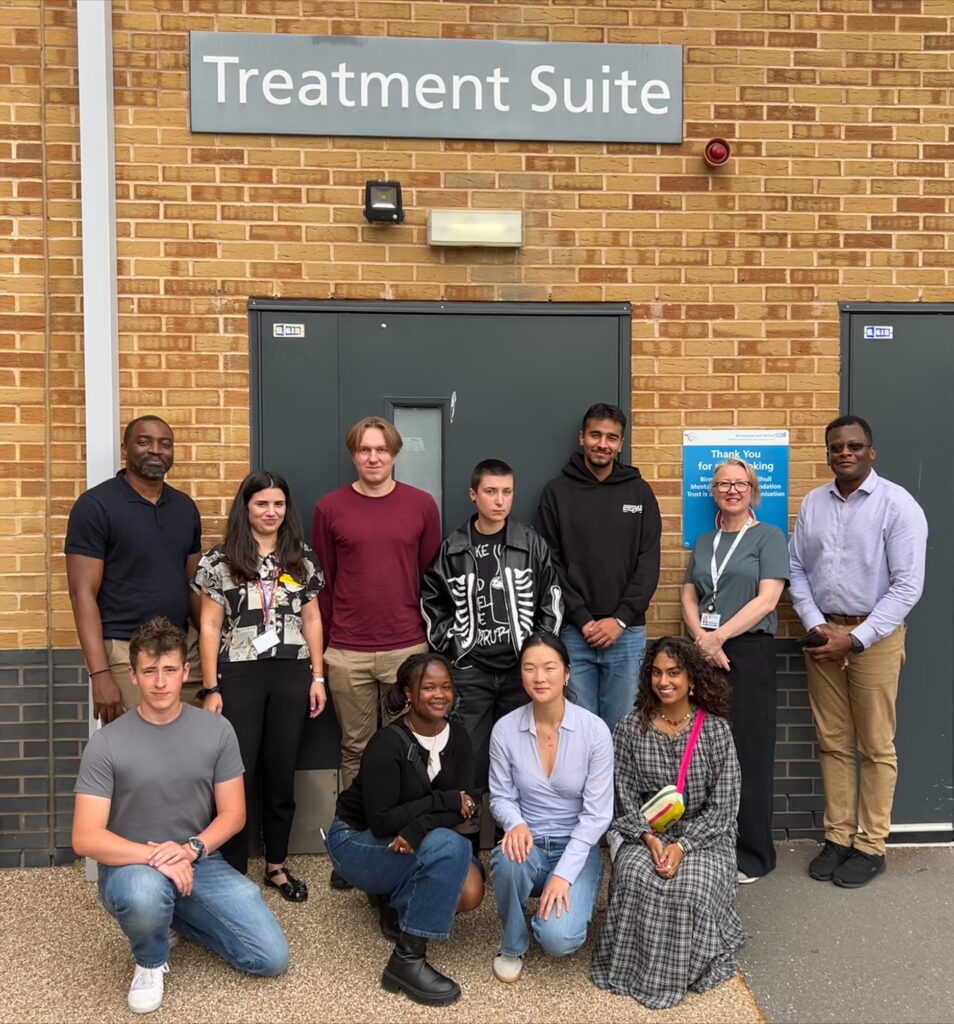
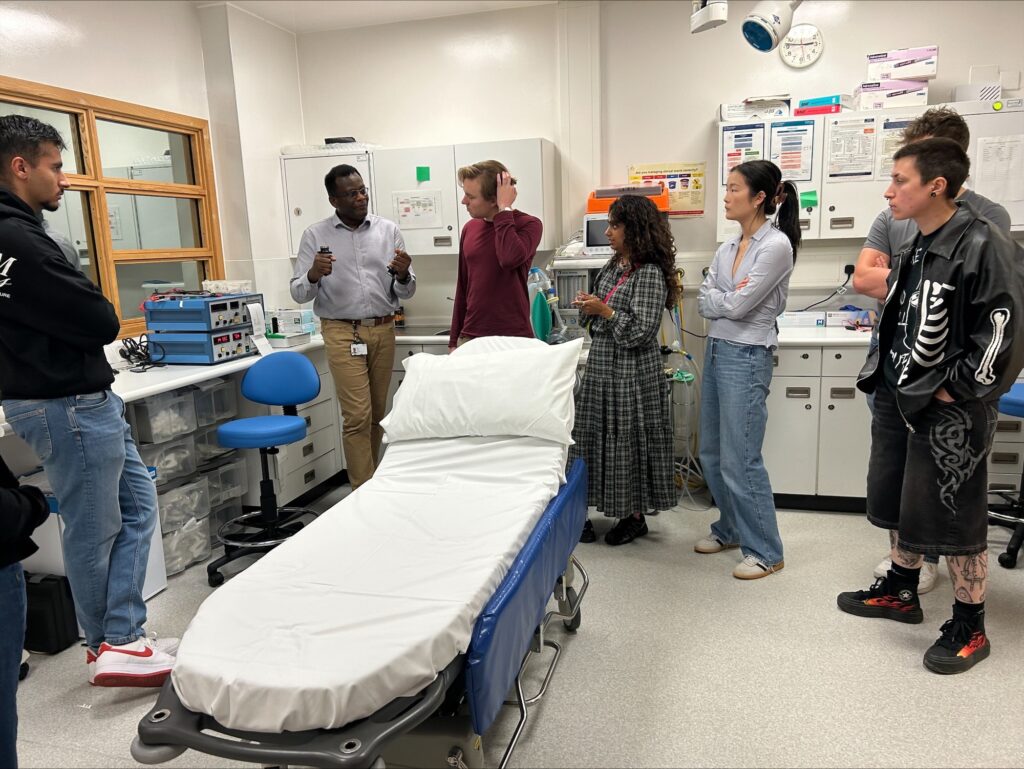
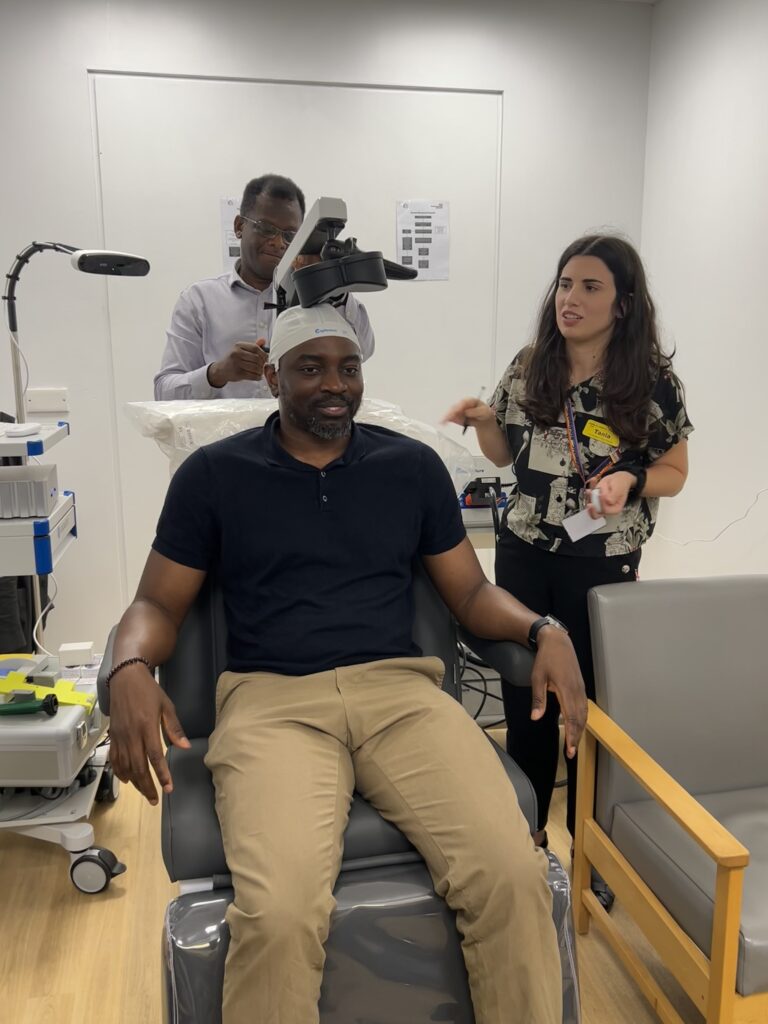
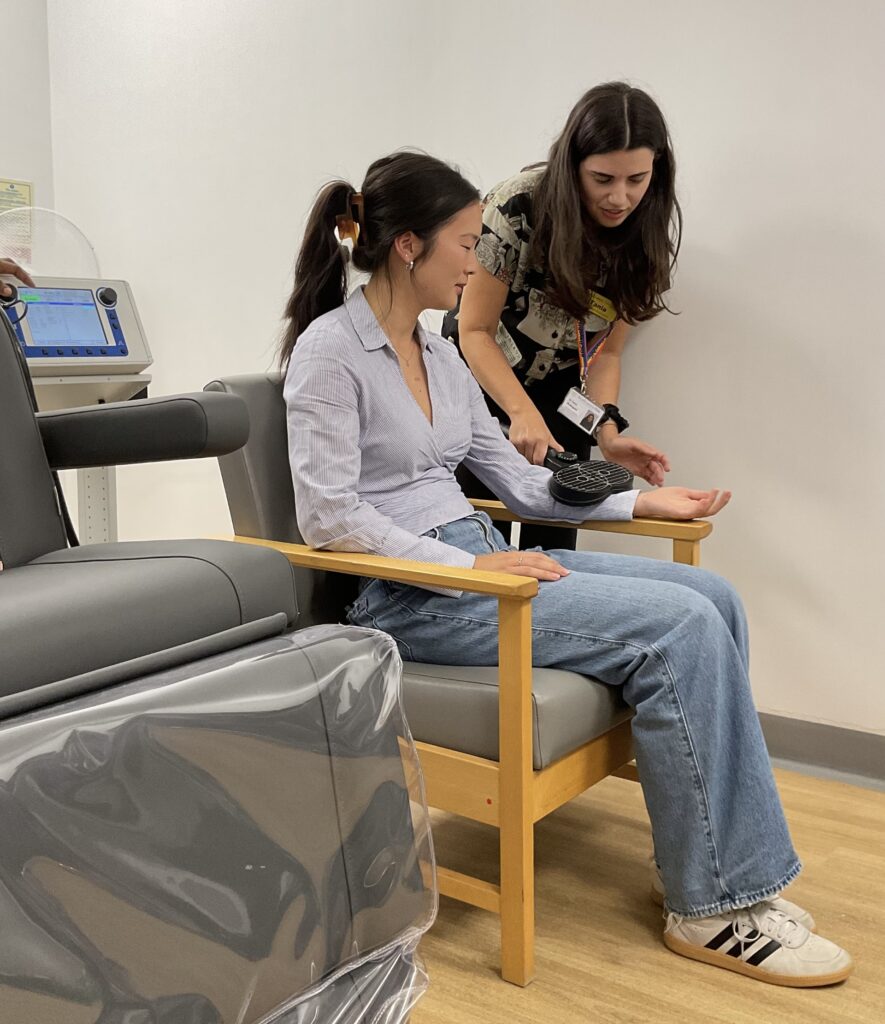
At the beginning of August, some of the Mood Disorder theme Youth Advisors had the opportunity to visit the Transcranial Magnetic Stimulation (TMS) clinic, operated by the Birmingham and Solihull Mental Health Foundation Trust (BSMHFT). This visit was part of an ongoing commitment to involving young people in shaping mental health research and trials at the Midlands Translational Centre.
The TMS team warmly welcomed the Youth Advisors and provided a hands-on demonstration of the equipment used in the clinic, with the youth advisors learning how this treatment is going to be used in clinical trials as a treatment option for Difficult to Treat/Treatment Resistant Depression. The service, led by Professor Steven Marwaha and Dr Tania Rodrigues, is currently being piloted with an initial group of 30 patients.
The group were also given a guided tour of the wider facilities, which included a walkthrough of the journey patients receiving Electroconvulsive therapy (ECT) experience, offering a valuable insight into the broader clinical environment.
A highlight of the day was an interactive workshop focused on the TMS clinic itself. Here, the Youth Advisors put together their previous reviews of the patient facing materials, along with the physical clinic setting, to give their honest and valuable feedback.
This visit was a fantastic opportunity for our Youth Advisors to see how research trials come to life and to contribute meaningfully to the future of mental health care.

Mental Health Research for Innovation Centre demonstrator site
At Mental Health Research for Innovation Centre (M-RIC), patient and public involvement is central to shaping meaningful mental health research. A dedicated team of service users, carers, researchers, clinicians, and third-sector partners work together to co-design studies that reflect real-world needs.
Since early 2024, ten service user and carer representatives have joined research work packages, contributing to planning, governance, and decision-making. Over 30 public advisors also support through workshops, events, and strategic projects.
The video below from M-RIC’s Co-Directors, patient and public involvement and engagement team and public advisors showcases how service user and carer involvement is at the heart of M-RIC’s research.
From co-producing study materials and support resources to leading public-facing initiatives like the Count Me In campaign, their lived experience drives innovation and relevance. Activities range from cinema screenings to mood clinic form redesigns, ensuring research is inclusive and impactful.
M-RIC held a screening showcase with Service User and Carer Representatives and public advisors at the Plaza Community Cinema in Crosby recently to celebrate their involvement in PPIEP. An Easy Read booklet “What is M-RIC?” has been produced for the public to learn more about their work.
If your interested in getting involved visit M-RIC’s website or email info@mric.uk.
Mood Disorders workstream
Patients and public consult on name of new Mood Disorder Research Clinic
The MH-TRC Mission’s Mood Disorders workstream, together with colleagues from the University of Exeter and Devon Partnership NHS Trust recently involved patients and public representatives in the naming of their new Mood Disorder Clinic.
The RISE Mood Disorder Research Clinic is currently in set-up in Exeter and will focus on supporting people living with long-standing or treatment-resistant depression. The Clinic will offer assessments to review care plans and make tailored adjustments, while working closely with GPs and primary care colleagues.
Alongside this, the RISE Mood Disorder Research Clinic will play a key role in research, helping position the UK as a leader in advancing treatments for mood disorders.

Susan Luscombe, Research and Development Business Manager at Devon Partnership NHS Trust said:
“To shape the Clinic’s identity, we worked with the University of Exeter’s PPIE group and the Devon Partnership NHS Trust’s Experts by Experience group. With their input, we developed a survey that asked for feedback on the proposed names of the Clinic, one of which being the “RISE Mood Disorder Clinic”.
Survey feedback was overwhelmingly positive, with respondents saying they felt the name “RISE” felt positive and reflection of “coming out of depression”.
We will continue to work with PPIE colleagues and Experts by Experience throughout the planning and roll-out of the clinic. Next steps include inviting members to act as “test patients”, helping us trial the proposed care pathway, review paperwork, and refine the assessment process, ensuring the service is shaped by those who know best.”
Lived experience expert and research volunteer talks on podcast
In this MQ Mental Health podcast Jordan Lees, a lived experience expert and research volunteer discusses the importance of public and patient involvement in mental health research and the crucial role lived experience plays in shaping meaningful, impactful studies.