Oxford Health Biomedical Research Centre (OH BRC) NMAHPPs (Nurses, Midwives, Allied Health Professionals, Pharmacists, and Psychologists) work together to embed research into everyday clinical practice.
Through collaboration and a commitment to evidence-based care, they drive improvements that benefit patients, staff, and the wider NHS, making a significant difference to health outcomes across our communities.
Below, you’ll find introductions to some of our NMAHPP team, showcasing their diverse expertise and contributions to OH BRC .
Depression Therapeutics Theme
Orla Macdonald, Consultant Research and Learning Disability Pharmacist

What inspired you to incorporate research into your role?
I have been working with research teams as part of my pharmacy research role for over 15 years and through those networks and relationships I was inspired to undertake my own research. With the support of Professor Andrea Cipriani and others, I was successful in receiving some research capacity funding from our Trust, which was the springboard that started my research journey.
What research project(s) you are currently involved in?
I am currently working on several research projects with the Bennett Institute for Applied Data Science at the University of Oxford. One project explores factors associated with mortality in people with a learning disability and epilepsy. I’m also writing a paper which described trends and variations in lithium prescribing across the UK, using primary and secondary care medicines data.
I have published two papers exploring the impact of the COVID pandemic on psychotropic prescribing in people with a learning disability. I am interested in any research that involves the use or management of medicines in the broadest context. I have been a Principal Investigator for two studies run; one which explored how genetic variation may affect our response to medicines and another which explored staff perspectives of a new pharmacy prioritisation tool.
Mental Health in Development Theme
Cathy Creswell, Theme Co-Lead

What inspired you to incorporate research into your role?
Prior to training as a Clinical Psychologist, I worked first in a clinical setting with a very research active clinical team. I then went onto work in a research setting with a clinically active research team, so it always seemed obvious to me that I should be incorporating research into my role. This led me to pursue a PhD after completing my professional training in clinical psychology.
What research project(s) you are currently involved in?
My research mainly focuses on the development, maintenance, prevention and treatment of anxiety disorders in children and young people. My team apply a broad range of methods (including experimental, longitudinal, clinical trial and qualitative methods and systematic reviews) with children, young people and families in both community and clinical settings, with the ultimate aim of improving access to and outcomes from psychological treatments for these common conditions.
Jiedi Lei: Mental Health in Development Theme Senior Research Fellow

What inspired you to incorporate research into your role?
What motivates me is translating clinical observations and problems into research questions, to generate evidence that can contribute to a meaningful solution, which I can then translate into knowledge to inform my practice. I value being able to do both clinical work and research and translating knowledge from one field to inform the other. I think being a Clinical Researcher encourages me to view both fields with a critical lens and to not be afraid to challenge the status quo.
What research project(s) you are currently involved in?
In my lab, partnering with the community to advocate for neurodiversity is central to our mission. We support neurodivergent children, young people, and their families through two key areas of work. First, we translate strengths-based and neurodiversity-affirming ideas into practical, meaningful tools that can be used by young people, families, educators, and mental health professionals. Our ongoing studies help neurodivergent young people explore their character strengths in everyday life, connect with their personal values, and begin to build a more positive sense of identity.
Second, we evaluate and adapt existing mental health interventions to improve the quality of care for neurodivergent young people experiencing mental health difficulties. Currently, we are conducting a case series to explore how cognitive therapy for social anxiety can be tailored to better meet the needs of autistic young people, in collaboration with the Anxiety and Depression in Young People (AnDY) Research Clinics in Oxford and Reading.
Polly Waite: Mental Health in Development Theme Co-Lead

What inspired you to incorporate research into your role?
As a clinician I was aware of how limited our understanding was of some mental health problems and was keen to contribute to improving and understanding and treatments. I became a clinician delivering treatment within research trials, which I found fascinating. Seeing the process and working with some fantastic researchers inspired me to conduct my own research.
What research project(s) you are currently involved in?
My research is on adolescents with anxiety and related disorders, with a current focus on panic disorder, OCD and body-focused repetitive behaviours (BFRBs) – like hair pulling and skin picking. They are all at different stages of research, with the BFRB research it is about building an understanding of young people’s experiences to identify potential mechanisms (such as shame and the trance-like state) that we can target in new treatments.
We have just finished a feasibility randomised controlled trial of brief cognitive therapy for panic disorder and are currently underway with a feasibility trial of brief cognitive therapy for OCD. These two studies have both taken place in NHS-commissioned child and adolescent mental health services with treatment delivered by clinicians working in the services so that we are evaluating it in real-life settings.
Oxford Brain Health Clinic
Inga Farafontova: Oxford Brain Health Clinic Research Assistant

What inspired you to incorporate research into your role?
I have always been curious about science and new technologies and wanted to understand how research shapes clinical practice. My secondment experience at the Oxford Brain Health Clinic was eye-opening – it felt like stepping into a “research kitchen,” seeing the real process behind the scenes. The terminology, the environment was fascinating and a little overwhelming at first, but it sparked my curiosity and passion for integrating research into mental health care.
Seeing patients in the community, I’ve come to understand that there are many problems that we still don’t have solutions for. This motivates me to contribute to research, because every question is an opportunity to improve care and find better approach for our patients.
What research project(s) you are currently involved in?
At Oxford Brain Health Clinic I volunteered in projects related to dementia, including studies about comorbidities and medication in dementia. I also helped to set up a mixed method study and was working closely with Patient and Public Involvement (PPI) in Research Group to support researchers looking into behaviour changes in a memory clinic population.
Currently, I am back to my role as a Psychiatric Nurse and I act as a Research Champion in my clinical team, helping identify patients for mental health research studies and supporting them to access opportunities, especially those from diverse backgrounds. My focus is on improving access and reducing barriers and this role allows me to continue connect clinical practise with research.
Psychological Treatments Theme
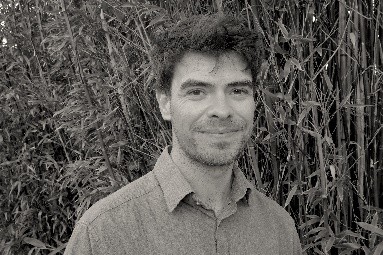
Elystan Roberts, Research Fellow
What inspired you to incorporate research into your role?
Evidence-based practice is an important pillar of psychological treatment, and clinical academics are in a wonderful position to draw on both clinical and research work so that they mutually impact one another. This helps to make research more relevant to clinical practice, and clinical practice more dynamic and evidence-based.
What research project(s) you are currently involved in?
I am interested in understanding and preventing suicide among mental health inpatients. I am currently using national survey data, as well as conducting qualitative interviews with patients and staff, to better understand what factors lead to suicide attempts and how we can treat patients more effectively.
Other OH BRC funded/ supported roles
Benita Olivier: Allied Health Professionals Research Lead,
Oxford Health NHS Foundation Trust

What inspired you to incorporate research into your role?
I’ve always believed that research has the power to make the world tangibly better. When a trust is research-active, patient care flourishes, staff thrive, and innovation becomes part of everyday practice. Clinical academic roles are uniquely positioned to bridge the gap between universities and the NHS, and I see this bridge as a powerful route to building a confident, research-enabled workforce.
What research project(s) you are currently involved in?
I’m a Professor of Rehabilitation at Oxford Brookes University and Allied Health Professionals (AHP) Research Lead at Oxford Health NHS Foundation Trust. I believe research can tangibly improve the world, and when a Trust is research-active, patient care improves, staff flourish, and innovation becomes routine.
I am leading several initiatives that build research capacity and capability. One project focuses on developing and validating an online directory that captures research interests, engagement, capacity, and capability, providing a clear picture of our strengths and gaps over time. Building on this broader understanding, another project examines how university-employed and NHS-employed staff can collaborate more effectively, with the aim of strengthening partnerships and improving access to shared expertise. These research projects have real-world impact in the Trust, and we are preparing them for publication to support wider national learning.
Harinder Singh Sokhal, Digital Medicines Pharmacist,
Oxford Health NHS Foundation Trust

What inspired you to incorporate research into your role?
The belief that meaningful change is driven by evidence as well as experience. In the NHS, we constantly strive to improve outcomes for patients and staff, and research provides the foundation for understanding what works and why.
What research project(s) you are currently involved in?
I have contributed extensively to inflammatory bowel disease (IBD) research across precision medicine, psychosocial interventions, behavioural science, and health inequalities. At the University of Oxford, I serve on a steering group applying molecular histopathology to guide therapy in ulcerative colitis and have presented this work at national conferences.
At King’s College London, I am a co-applicant on the COMPASS-IBD study, developing digital screening and low-intensity psychological interventions, with related publications in leading journals. I also support research on medication adherence and on stress and resilience in early-onset ulcerative colitis. My qualitative work with underserved communities examines cultural influences on IBD care and has been presented internationally. As a Research Champion, I lead PPIE initiatives, develop guidance for volunteers, and advise national research groups on equity, diversity, and inclusion to enhance involvement of underserved populations.
Marion Waite: NMAHPPs Academic Career Development Co-Lead
OH BRC

What inspired you to incorporate research into your role?
A career transition into a university teaching role from community nursing (health visiting) presented opportunities to engage in research whilst retaining my clinical interests in diabetes care and technology.
What research project(s) you are currently involved in?
I am currently involved in several research projects. These include evaluating the usability and acceptability of a prototype AI-powered enhanced recovery pathway progress dashboard designed to help registered nurses track postoperative recovery in elective colorectal surgical wards as part of a multi-centre study funded by the AI-Nurses Network.
I am also engaged in the Doctoral and Academic Writing for Nurses, Midwives, and other Health Professionals project, funded by OH BRC. In addition, I am contributing to the development of a virtual and augmented reality intervention for young adults aged 18–40 with type 2 diabetes.